


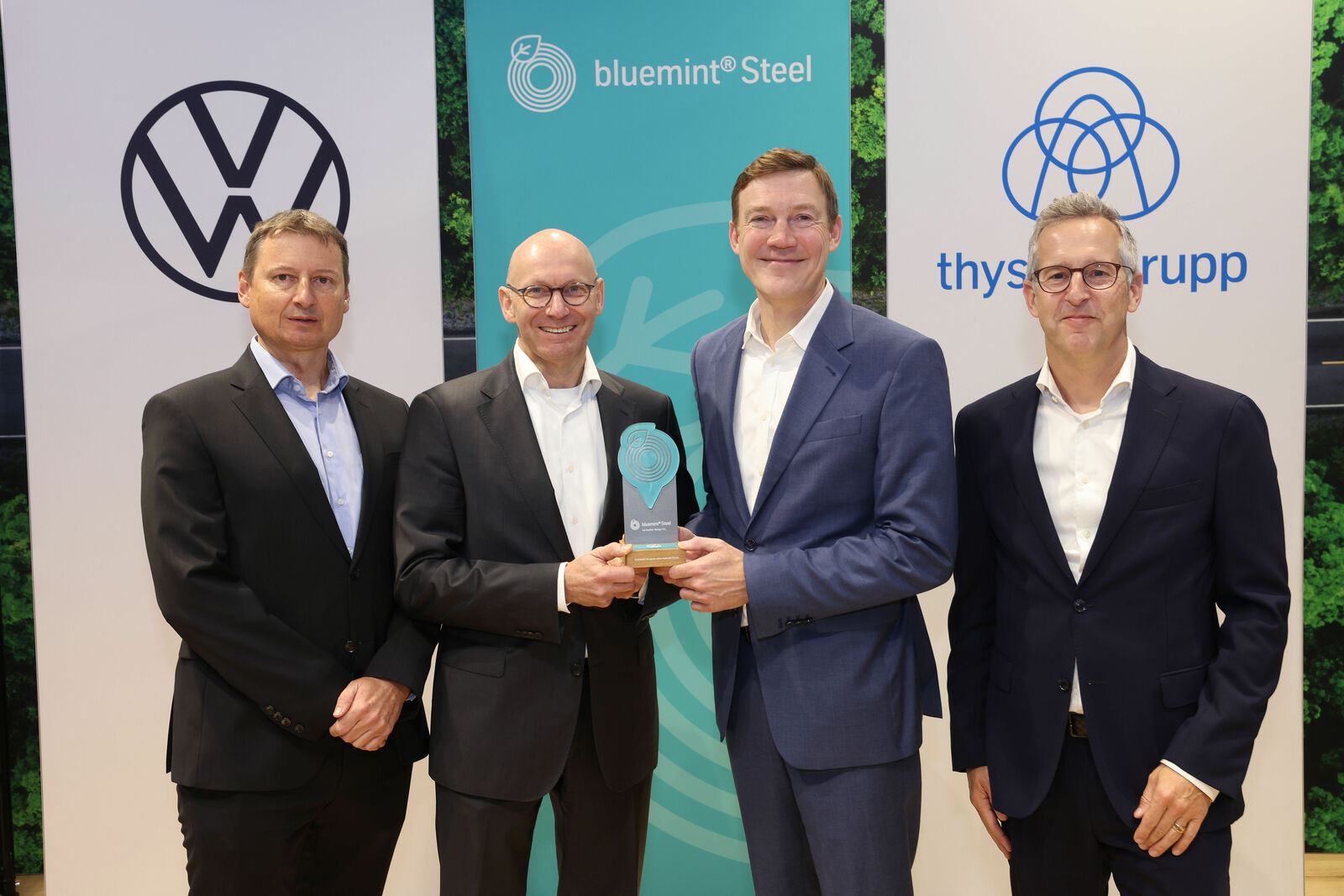
This development also ended rumours about the cancellation of Thyssenkrupp's future direct reduction (DR) plant in Duisburg. The company announced that the new plant will be operational in 2027 and supplies to Volkswagen will start in 2028.
Thyssenkrupp did not provide information on specific volumes and timeframes for the scope of the MoU, but stated that the supply of carbon-reduced steel will be gradually increased. This agreement is expected to contribute to Volkswagen's goals of decarbonising its supply chain. The company emphasised that 15-20% of the lifetime emissions of electric vehicles come from steel production.
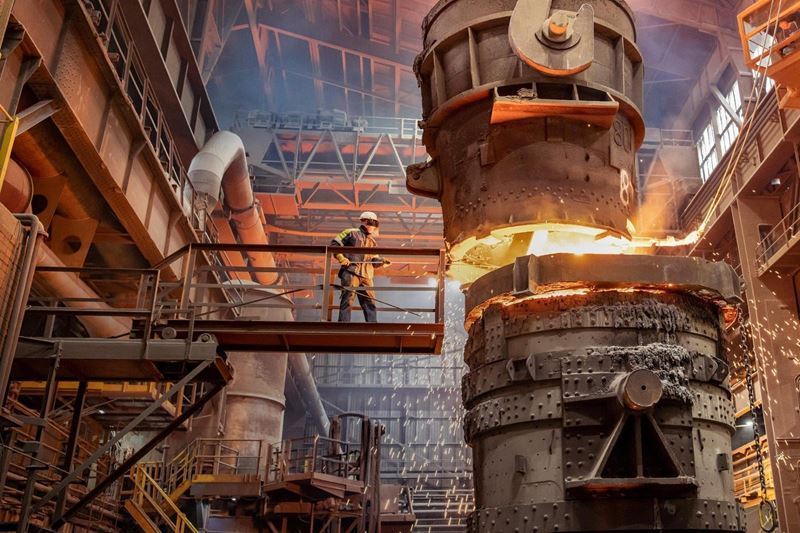
While the Duisburg site has the capacity to produce around 11.7 million tonnes of pig iron and 11 million tonnes of crude steel annually, shipments have remained between 9.0-9.5 million tonnes in recent years. Thyssenkrupp plans to replace one of the four existing blast furnaces with a direct reduction plant in 2027, while the other three furnaces will be overhauled with climate-friendly alternatives by 2045. The new DR plant will have a capacity of 2.5 million tonnes and has a target of producing 5 million tonnes of low-carbon steel by 2030.
The German state is expected to provide €2 billion in support for this green steel transformation project. The DR plant in Duisburg will be powered by green hydrogen, contributing to a significant reduction of the carbon footprint. The production process, which will initially use natural gas, is said to switch to hydrogen over time.
However, it is argued that the construction of the plant may cost more than expected. While Thyssenkrupp management informed the supervisory board about this situation, it was stated that the project will continue.
It is stated that the demand for green steel in Europe is limited, but this demand is expected to increase in the future with regulations. There is not yet a common standard for green steel in Europe; existing definitions are based on the emission levels of products.



Comments
No comment yet.