


China
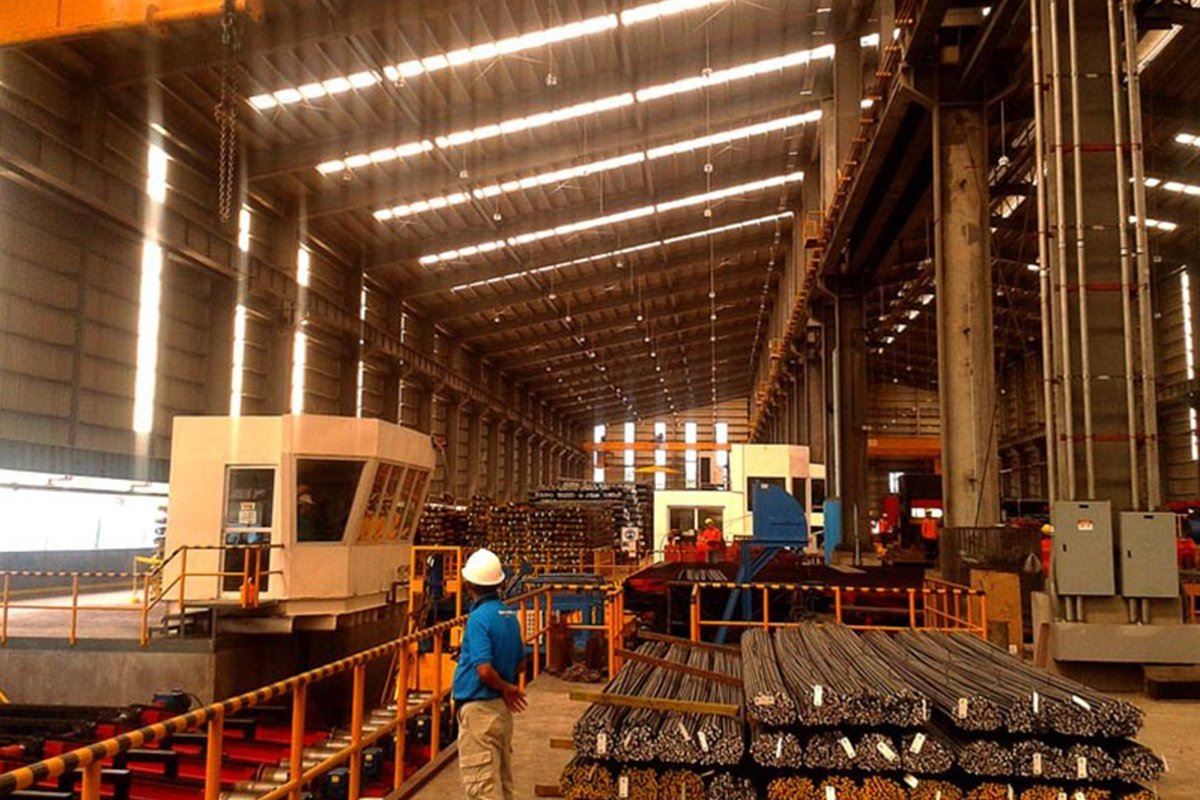
The steel market in China, the world's largest steel producer, has seen a general recovery in prices.
Billet prices in China's local market rose by a dollar a day to $471 per ton at the mill gate. The increase reflected a boom in demand in China's domestic market, as well as support for the steel raw material market. Increased demand and the expansion of the raw material market had a positive impact on the prices of steel products.
In addition, the price of billets imported into China was reported at $413 per ton CFR, indicating an increase in demand for steel raw materials in the global market.
Iron Ore futures, on the other hand, declined on Tuesday. This came as investors reassessed the prospects for stimulus in China after the economy grew better than expected in the first quarter.
The most-traded September iron ore contract on China's Dalian Commodity Exchange ended the day trading down 1.49% at 826 yuan ($114.10) per ton.
Separately, coking coal DJMcv1 rose 1.6% while coke DCJcv1 fell 2.02% on the Dalian Commodity Exchange.
Similarly, benchmark May iron ore on the Singapore Exchange fell 2.73% to $109.15 per ton.
Some traders were cautious about the potential downside risk after the rapid increase in iron ore prices. Although iron ore prices rose nearly 8% from the previous week, demand for ore is expected to be supported by expectations of higher crude steel production in April.
On the Shanghai Futures Exchange, rebar SRBcv1 and hot rolled coil SHHCcv1 were little changed, while wire rod SWRcv1 lost 0.32% and stainless steel SHSScv1 lost 0.79%.
India
India, another important country in the global iron and steel market, followed a volatile course due to its relations with China.
Although the country's iron ore exports reached a 3-year high, shipments declined in February and March. The decline was attributed to a slowdown in China's domestic steel demand, adequate stock levels, and the holiday periods in February and March.
In a recent letter to the Steel Ministry, the Federation of Indian Mineral Industries (FIMI) emphasized that there were no new orders from international buyers. There is a surplus of low-grade iron ore and pellets in the country and little movement in pellet exports, which consist of material stockpiled at ports.
Major Indian steelmakers also failed to meet their investment targets for the fiscal year ending March 2024 due to delays in importing machinery from China and obtaining visas for Chinese experts, which has hampered capacity expansion at the world's second-largest crude steel producer despite strong domestic demand.
According to SteelRadar data, India's product prices seem to be in a bullish mood.
In rebar, θ12-32 mm saw a minimal decline from April 7 to 16. On April 17, it reached a 3-month high of $615.
HMS 1 grade scrap saw significant price increases in April, similar to rebar prices. The April 17 price hit a 3-month high of $427.
Finally, prices of 62% Fe iron ore, unlike the rest of India's commodities, fell in April. Although prices started to recover on April 8, prices were recorded at their lowest level since January.
While India's commodity prices have been generally bullish, iron ore's decline is attributed to a pause in exports, which have been high for months, resulting in a surplus of iron ore in the country. India's exports are expected to start recovering as steel demand picks up in China after the holidays.
Taiwan
Feng Hsin Steel Co. Ltd, a Taiwan-based company specializing in the production, processing, and trading of steel products, announced its prices for this week (April 15-19). Rebar and scrap prices increased by NTD 200 (New Taiwan Dollars) per ton to NTD 19,700 (USD 612.70) and NTD 10,900 (USD 338.29) respectively, while the section price remained unchanged at NTD 26,700 (USD 828.37).
On the other hand, China Steel decided to keep its prices unchanged in May after keeping them unchanged in April. According to Taiwan's largest steelmaker, the decision takes into account the competitiveness of its customers in export markets as the regional steel industry continues to consolidate.
China Steel emphasized that the steady recovery of the global manufacturing industry this year and the possibility of a decline in interest rates will boost future steel demand. With the European and US economies stabilizing, the European steel market is showing signs of recovery and US steel prices have been rising in recent months, which is considered positive news for export-dependent Asian countries.
Despite these positive indicators, China Steel noted that the prices of key raw materials such as iron ore and coking coal remain significantly above the 10-year average. Iron ore is priced between USD 100 and USD 110 per ton and coking coal is between USD 220 and USD 230 per ton.
According to the company, China's overproduction of low-cost products and the significant increase in its exports to Taiwan are negatively impacting local steel producers.
Vietnam
Decreased demand in Vietnam has led to a decline in steel prices following a seven-month high in March. Hoa Phat Group, a major steel manufacturer, has reduced the price of rebar steel by 0.63% to VND15.89 million (619.71 USD) per ton and wire rod steel by 1.88% to VND15.66 million (610.74 USD) per ton. Similarly, Viet Y Steel has adjusted its prices to VND15.86 million (618.54 USD) for rebar steel and VND15.61 million (608.79 USD) for wire rod steel. This decrease contrasts with the peak recorded at the end of March, with prices steadily rising since last year. Hoa Phat attributes the lower prices to reduced material costs.
Market experts predict further price drops due to low demand amidst consumer spending cuts and insufficient development of public projects to stimulate demand significantly.
Despite the challenges, there are potential benefits to the drop in prices, such as reduced costs for public infrastructure projects and increased efforts by steelmakers to seek overseas buyers. The Vietnam Steel Association expects market recovery by the third quarter of this year at the earliest.





Comments
No comment yet.