


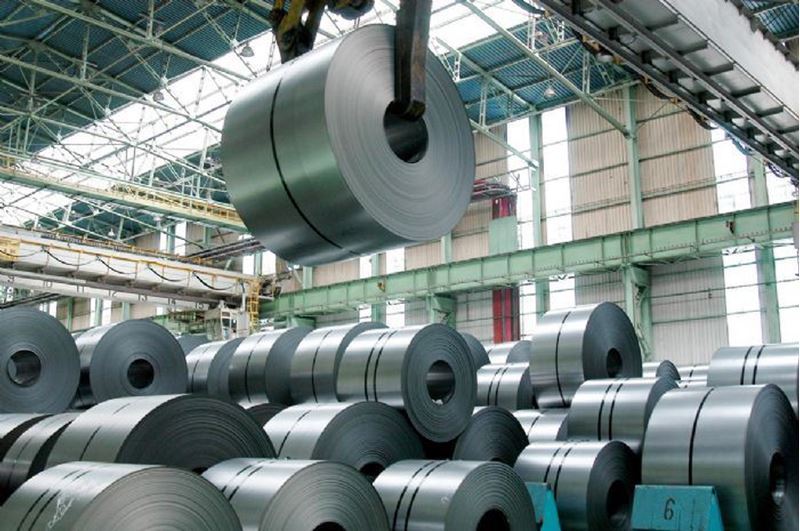
The European Parliament’s Committee on International Trade approved a new regulation aimed at mitigating the negative impact of global steel overcapacity on the European Union market.
Committee members approved the proposal with 36 votes in favor, 2 against, and 5 abstentions. The regulation aims to limit the risks that may arise following the expiry of the global steel safeguard measures applied under the World Trade Organization (WTO), which are set to end on 30 June 2026.
According to the adopted text, duty-free steel import quotas will be reduced, capping annual volumes at 18.3 million tonnes. This represents a reduction of approximately 47% compared to the 2024 quota levels. Imports exceeding the quota, as well as steel products not covered by the quota system, will be subject to a 50% customs duty.
Under the proposed regulation, documentation requirements regarding the origin of imported products will be clarified, and traceability of imported steel products will be strengthened. Committee members also stressed that the new regulation must comply with WTO rules and called on the European Commission to closely monitor its implementation and make adjustments if necessary.
The new regulation also предусматриes a complete ban on steel imports from Russia and Belarus. Accordingly, steel products originating from these countries will be added to the list of goods already subject to restrictions.
Following the vote, rapporteur Karin Karlsbro stated that steel production is of strategic importance for Europe, emphasizing that a strong steel industry plays a central role in Europe’s resilience during periods of geopolitical uncertainty. She added that while the committee supports continued duty-free trade with Ukraine, it opposes steel imports from Russia.
The International Trade Committee also approved the launch of negotiations with the EU Council during the spring session in order to reach a final agreement on the legislative proposal.
In recent years, the EU steel sector has faced significant challenges due to high import pressure, low prices, and global overcapacity. These conditions have led to substantial job losses and have pushed capacity utilization rates below profitable levels. Authorities note that this situation has negatively affected competitiveness and investments in decarbonization.
With the current global safeguard measures set to expire on 30 June 2026, the EU steel industry is expected to become more exposed to the effects of global oversupply. The newly adopted regulation aims to limit these risks and strengthen the long-term sustainability of the European steel industry.



Comments
No comment yet.