


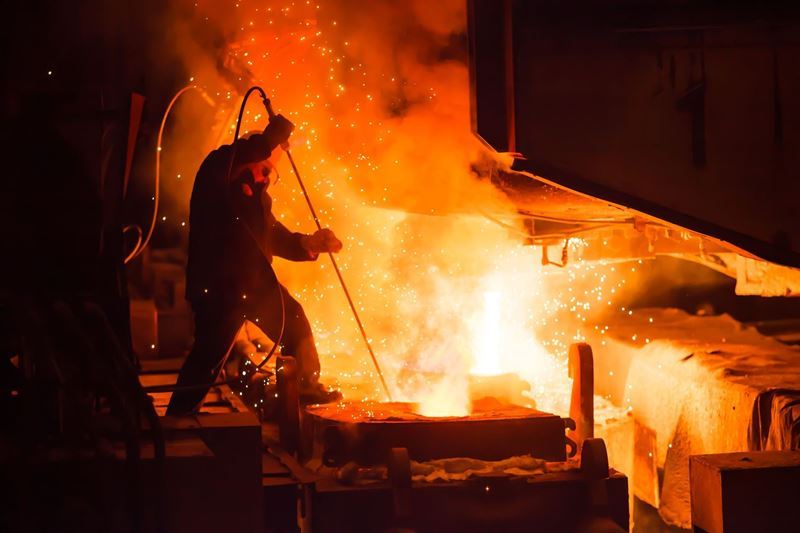
Industry representatives state that if the rise in energy costs continues, a second price adjustment may become inevitable.
Navara Chantanasurakorn, Vice Chairman of the Federation of Thai Industries (FTI) and Honorary Chairman of the Steel Industry Group, said that the sector is trying to keep costs under control to limit the impact on consumers. However, he noted that ongoing conflicts in the Middle East are pushing global costs higher, making an initial price increase of 10–15% across all steel products unavoidable.
Chantanasurakorn added that further price adjustments may be considered in the coming period, but the final rates will depend on the trajectory of cost increases.
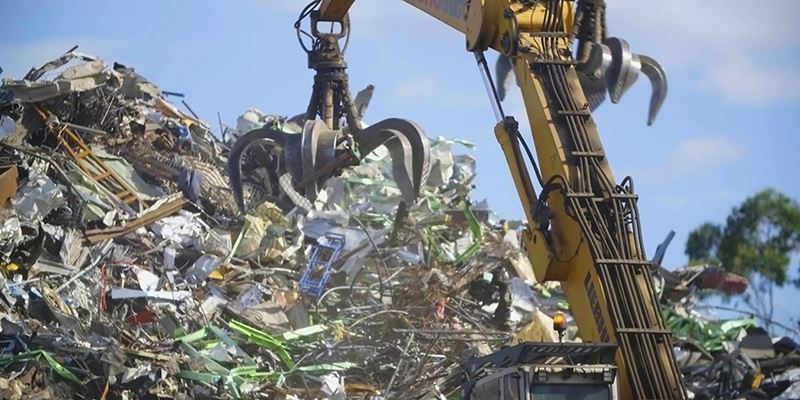
Thailand’s lack of domestic iron ore reserves means that production is heavily dependent on imported scrap, which adds to cost pressures. Steel products produced in the country, such as rebar, wire rod, steel plates, and structural steel, are primarily used in the construction and automotive sectors.
According to industry representatives, cost increases are driven by four main factors: rising transportation expenses, higher energy prices, elevated freight costs, and an upcoming increase in electricity tariffs. In particular, increases in the prices of fuels used in steel production are directly impacting overall costs.
Following the first round of price increases implemented in April, the final decision on the second phase planned for May will be reassessed based on developments in energy and logistics costs. Nevertheless, industry representatives emphasized that they will continue to maintain employment and uphold their commitment to avoiding layoffs, in line with the government’s determination to sustain construction projects.



Comments
No comment yet.