


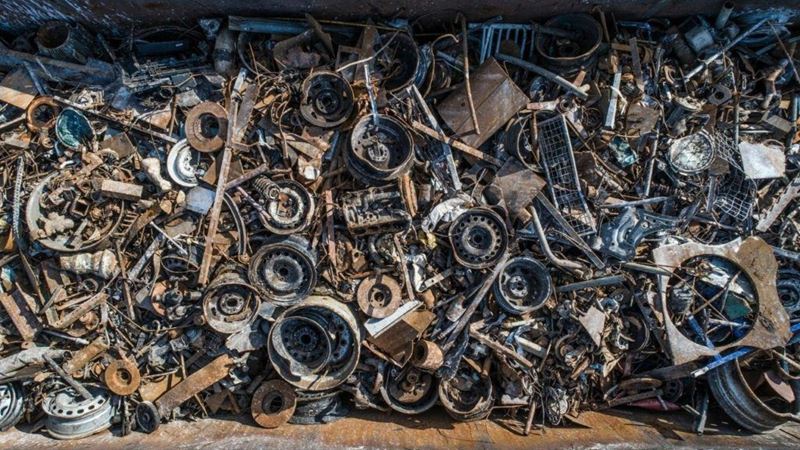
The report “Circular Steel: Strengthening the UK’s Industrial Supply Chain,” prepared in collaboration with UK Steel, reveals that exporting the majority of the UK’s steel scrap abroad and re-importing it after processing is cheaper than processing and producing it domestically. According to the report, the UK generates around 10 million tons of steel scrap annually, and more than 80% of this potential is currently exported. This situation increases costs for local producers and leads to job losses and higher emissions.
The report also emphasizes that the lack of large-scale electric arc furnace (EAF) steel production in the UK has hindered the development of a strong domestic market for high-quality steel scrap. A transition to EAF technology would position domestic scrap as a cornerstone of low-carbon steel production. However, industry leaders warn that without urgent reforms, the UK risks losing jobs and economic value to global competitors.
The report outlines the structural challenges that hinder the use of domestic steel scrap: insufficient local processing capacity, high industrial energy costs, and inconsistent quality and practice standards within the metal recycling supply chain.
The proposed measures to overcome these barriers include investing in domestic scrap processing infrastructure, addressing cost disparities between domestic and international markets, establishing national standards for EAF-grade scrap, modernizing regulatory oversight, and reducing energy costs.
"The United Kingdom on the path to becoming a global leader in circular steel"
Jacob Hayler, Chair of the Circular Steel Subcommittee, commented on the matter:"The UK’s steel scrap resource is one of our greatest industrial assets, yet the policy framework guiding the market is not progressing at the same pace as the transition to low-carbon production. Exporting steel scrap abroad for processing and production, only to re-import the steel products, is cheaper than processing and producing it domestically. This needs to change if we want to preserve employment opportunities, encourage investment, and support resilience in the UK’s manufacturing base. The UK has the scrap, skills, and ambition to become a global leader in circular steel. The benefits for the steel industry, the recycling sector, employment, growth, and the environment are within our reach. What we need now is coordinated policy leadership that aligns with national climate, industrial, and competitiveness goals."
Tony Hayer, Managing Director of S. Norton Group, who stated that recycling is the backbone of EAF steel production, emphasized that the system must evolve to meet the needs of a modern, low-carbon economy. Hayer also said: "With the right policies on energy pricing, regulation, and infrastructure investment, we can establish a competitive local recycling infrastructure in the UK that preserves value, employment, and carbon savings."
Rajesh Nair, CEO of Tata Steel UK and Chair of the UK Steel Board, stated:"The UK’s transition to electric arc furnace (EAF) production presents a once-in-a-generation opportunity to revitalize UK steelmaking and drive long-term industrial growth. To seize this opportunity, we must establish a competitive local steel scrap supply chain that supports investment, strengthens our manufacturing base, and delivers greater economic value in the UK. A circular materials strategy, supported by smart policies, will help position the UK as a global leader in the circular steel economy."
"This is not just a transition, it is also our foundation"
Carles Rovira, CEO of 7 Steel UK, who said that 7 Steel has built its business on EAF technology for over twenty years, stated:"This is not just a transition, it is also our foundation. The UK’s broader shift to EAF represents a once-in-a-generation opportunity to reshape steel production for a low-carbon future. However, to unlock its full potential, we need a resilient local steel scrap supply chain supported by government policies that embrace an integrated circular materials approach. These are the levers that will enable investment, strengthen production in the UK, and ensure that the economic value of steel takes root in our communities."




Comments
No comment yet.