


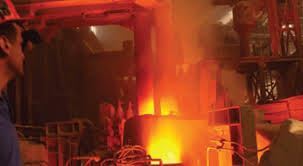
SKY-high steel prices will rise further in the aftermath of the war, which has caused famines in Europe and increased prices for fuel used in steel mills. Prices in Europe are also rising again as Brussels considers banning steel imports from Russia as part of additional sanctions and threatens to tighten markets further.
Indicative rates for hot rolled coil in northern Europe rose 10% to €1,435 (US$1,583) per tonne, according to weekly data from Kallanish Commodities Ltd. Rebar prices also rose to an all-time high.
Ahead of the talks on banning Russian steel, prices have already started to rise, forcing Turkey-based Kaptan Metal, Jamaica's largest steel supplier, to signal the coming of new price increases.
“Due to the shortage of raw materials and the high increase in production costs, we need to increase our prices. All prices went up because of the war. There is a serious energy problem because of the war. Captain Metal CEO Oytun Özdoğan told the Jamaica Observer in an exclusive interview, “If I compare it to last year, the production cost has increased by 20% to 25%, which is quite high.” said.
"With the new orders, steel prices in the Caribbean will increase by US$250 per tonne, which is roughly around 30%."
When asked about the possible impact of any ban on Russian steel, Özdogan said it would "raise the price further". Uncertainty still seems uncertain about how much further steel prices will rise. However, Özdoğan net said, “The war between Russia and Ukraine is becoming a serious problem, especially regarding steel product prices and production cost.”
The market was already dealing with the loss of exports from Ukraine, normally the fifth largest supplier to Europe. The sky-high energy costs also hampered the operations of some factories on the continent, constraining supply.





Comments
No comment yet.