


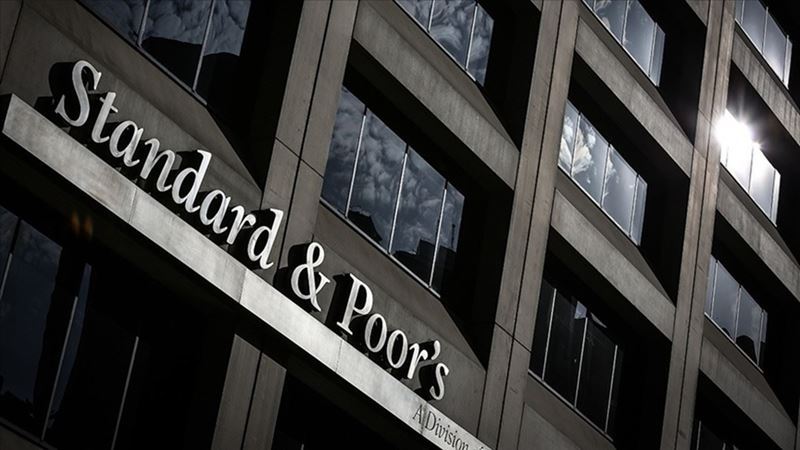
In its assessment, the agency stated that rising tensions in the region are exposing geopolitical vulnerabilities, noting that depending on the duration and scope of the war, the US macroeconomic outlook and credit conditions could be negatively affected.
The statement added that the base scenario assumes the military tensions will be short-lived. However, if the conflict drags on or expands through additional security incidents, the economic impact could become more pronounced.
According to the assessment, a prolonged or expanding war could cause serious disruptions in energy markets and global supply chains. This could increase inflationary pressure and weaken economic growth.
The report also highlighted that although the United States is a net energy exporter, it continues to import crude oil and remains dependent on certain products from the Middle East. Gulf countries are noted as key suppliers, particularly of aluminum, fertilizers, pesticides, and petroleum and coal products.
It was also noted that energy and commodity prices remaining high for an extended period could increase companies’ production costs, which in turn could put pressure on consumer spending and overall economic activity. Rising energy costs could also slow investment in growth-supporting areas such as data center infrastructure.
According to S&P, sectors likely to feel the direct effects of the conflict include agriculture, chemicals, metals and mining, oil and gas, and transportation. Prolonged supply chain disruptions could also affect a broader range of industries.
The report further stated that if the conflict lasts longer than expected, financial institutions, insurance companies, and public finance entities may also face indirect pressures such as rising inflation and weaker economic growth. On the other hand, oil and gas companies could benefit from elevated energy prices.





Comments
No comment yet.