


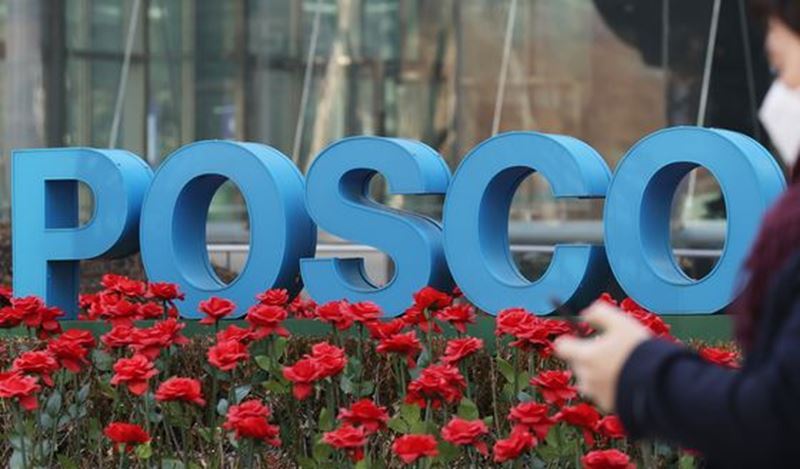
The company achieved sales revenue of 69.095 trillion KRW, operating profit of 1.827 trillion KRW, and net profit of 504 billion KRW last year. Despite the global economic slowdown and increasing protectionism, strong revenues from steel and LNG-focused energy operations offset initial operating costs in the secondary battery materials segment and one-off losses in infrastructure.
Company management emphasized that they expect a recovery in profitability in the coming period thanks to expansion in overseas steel production and lithium investments. Overseas steel joint ventures and lithium mine share acquisitions carried out throughout 2025 are expected to contribute to profit growth with the commencement of commercial lithium production.
POSCO Holdings announced that it has completed 73 transactions so far as part of its restructuring efforts, generating 1.8 trillion KRW in cash. The company aims to complete 55 more transactions by 2028, generating approximately 1 trillion KRW in additional resources. This resource will be used for growth investments.
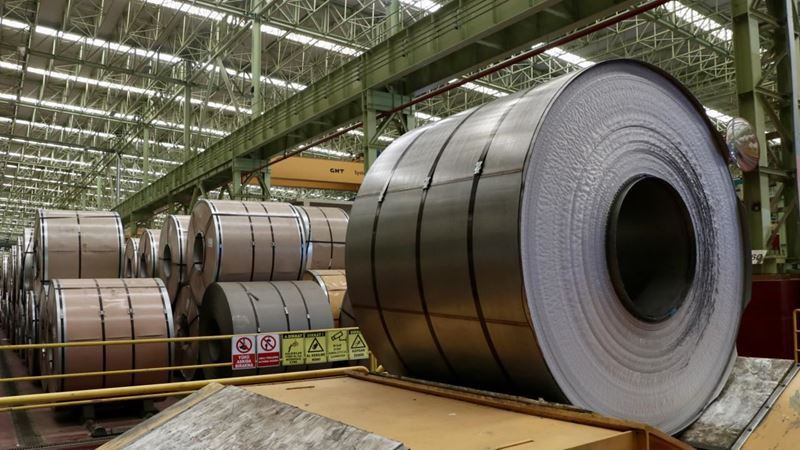
In the steel segment, POSCO’s sales fell 6.8% year-on-year to 35.011 trillion KRW. However, operating profit increased 20.8% to 1.78 trillion KRW thanks to structural cost improvements aimed at increasing energy efficiency. While increased raw material costs and major plant repairs temporarily negatively impacted production and sales in the fourth quarter, higher sales prices helped maintain profitability.
In the secondary battery materials segment, POSCO Future M managed to maintain its profitability at the previous year's level despite weak lithium prices. While the completion of new facilities in Argentina, with commercial production expected by the end of 2024, initially led to increased costs, the company stated that this effect would be offset as operations stabilize.
In the infrastructure segment, POSCO International strengthened its revenues by increasing LNG production at Senex Energy in Australia and acquiring a palm oil company in Indonesia. POSCO E&C announced that despite increased orders, its losses increased due to one-off costs stemming from construction stoppages.
The company stated that it has overcome the fourth-quarter decline caused by major plant repairs and costs related to the sale of loss-making subsidiaries. An upward trend in profit is expected in 2026 thanks to robust steel and LNG revenues and the commencement of commercial lithium production.
POSCO Holdings' core management plans for 2026 include accelerating major domestic and international investments and restructuring low-profit assets. In the steel sector, the goals include increasing specialization at the Pohang and Gwangyang plants, starting construction of a prototype plant for hydrogen reduction technology-based production, and accelerating the decarbonization process. In the secondary battery materials sector, lithium production in Argentina is expected to increase profitability, while mining investments in Australia are expected to generate revenue from the second half of the year. In the infrastructure segment, the plan includes strengthening the LNG and energy value chain.
The company also announced that it aims to generate a total of 2.8 trillion KRW in cash by continuing its restructuring program, launched to finance growth investments, until 2028.




Comments
No comment yet.