


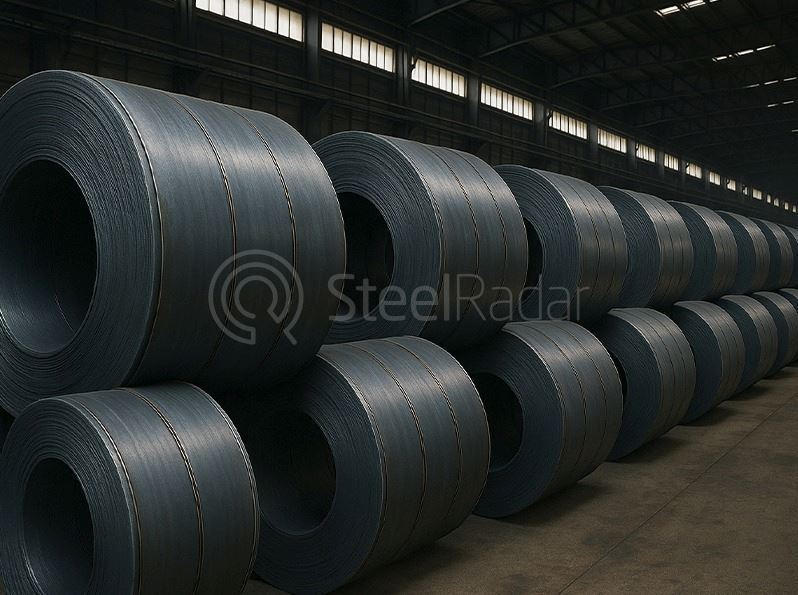
This latest adjustment reinforces a sustained rally that began in late 2025, pushing HRC prices above the key psychological threshold of $1,000/t for the first time since early 2024. Market participants increasingly view this level as a new baseline, supported by both supply-side constraints and intensifying cost pressures embedded across the value chain, as SteelRadar understands.
Raw Material Inflation Adds Pressure
Upstream cost inflation is accelerating and broadening across key inputs. Iron ore prices have risen approximately 12 percent month-over-month, now exceeding $112 per metric ton. At the same time, premium hard coking coal prices are running about 36 percent higher compared to year-ago levels.
Zinc, a critical component for coated and galvanized steel production, has also rebounded sharply from recent lows. This trend is expected to further increase production costs for value-added steel products, tightening margins and reinforcing upward pricing pressure throughout the supply chain, a dynamic SteelRadar continues to monitor closely.
U.S. Trade Policy Shift Reshapes Market Dynamics
Compounding these cost-side factors is a major shift in U.S. trade policy. On April 2, 2026, the administration of Donald Trump introduced sweeping changes to Section 232 tariffs.
The revised framework applies tariffs to the full customs value of imported steel, aluminum, and copper, with tiered rates ranging from 10 percent to as high as 50 percent. This marks one of the most significant structural changes to U.S. metals trade policy in recent years.
The immediate impact is expected to be felt across the supply chain. Importers face higher landed costs, while fabricators and downstream manufacturers must reassess sourcing strategies amid the reduced competitiveness of foreign material. Domestic producers, meanwhile, are likely to benefit from strengthened pricing power in an increasingly protected market environment.
Market Outlook
With raw material costs rising and trade barriers tightening, the U.S. steel market appears set to remain firm in the near term. Buyers are navigating a complex environment defined by elevated prices, policy uncertainty, and constrained supply options.
While demand fundamentals will ultimately determine the sustainability of the rally, current conditions suggest that elevated HRC prices may persist, especially as cost inflation and protectionist measures continue to reinforce domestic pricing structures.






Comments
No comment yet.