


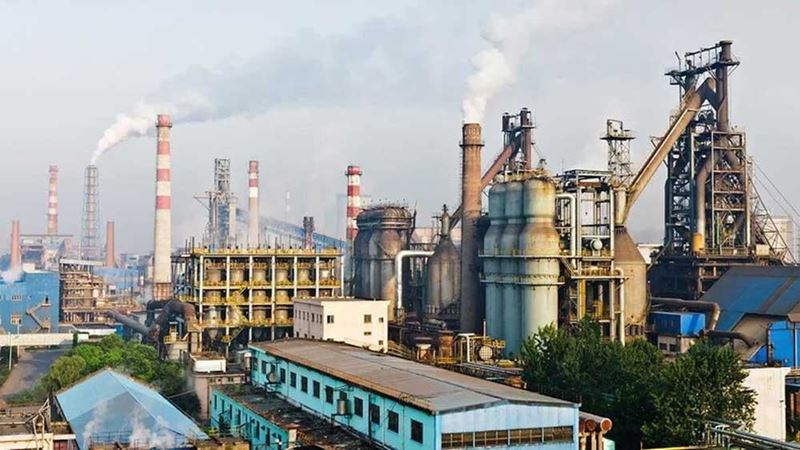
Nigeria has accelerated investments aimed at increasing steel production capacity in order to reduce its annual steel imports of approximately USD 4 billion. New investment commitments announced by the private sector have reached a total of USD 2.72 billion, while the government is also implementing tax incentives, gas incentives and customs regulations for the sector.
As previously reported by SteelRadar, a total investment of USD 1.75 billion is planned to restart the Delta Steel facility and establish a new steel plant in Ogun State as part of efforts to increase steel production in the country.
Approximately USD 965 million of the investment pipeline consists of projects that are still at the preliminary proposal and memorandum-of-understanding stages. These projects have not yet reached financial close.
Up to USD 3 billion investment planned for five new plants
Under the Nigeria Steel and Rail Transformation Initiative (NSRTI), the establishment of five new mini steel plants in different regions of the country has been proposed.
The plan envisages the establishment of plants in Lagos, Port Harcourt, Kano, Enugu and Delta State. Each plant is planned to receive an investment of between USD 350 million and $600 million and have an annual production capacity of 1–1.5 million tonnes.
The combined production capacity of the five plants is targeted to reach 7–8 million tonnes per year. The total investment cost of the project is estimated at USD 2–3 billion. The plants are planned to use electric arc furnace technology and scrap metal as their raw material. While some of the scrap generated by Nigeria’s construction and oil sectors is currently exported, the NSRTI envisages using this material for domestic steel production.
Ajaokuta plant has been unable to achieve commercial production for 45 years
Efforts to increase Nigeria’s domestic steel production have long focused on the Ajaokuta Steel Complex. Located in Kogi State, the facility has been unable to commence commercial-scale steel production despite its approximately 45-year history.
Legal disputes involving Ajaokuta Steel Company Limited have also affected the facility’s operations. Although the plant was completed, it has remained largely inactive.
The Aluminium Smelter Company located in Akwa Ibom State has similarly been the subject of legal disputes between its concessionaire and the Federal Government.
Up to 90% of steel imports could be met through domestic production
The combined production capacity of the five plants planned under the NSRTI is reported to be sufficient to replace 75–90% of Nigeria’s current steel imports.
It is targeted that all five plants will become operational within 10 years, allowing USD 3–3.5 billion worth of annual steel imports to be replaced by domestic production.
Delta State plant to produce rail steel
The fifth planned plant is proposed to be established in Delta State and is planned to focus on the production of UIC 60 rail steel used in standard-gauge railways.
It is estimated that approximately 600,000 tonnes of rail steel will be required for Nigeria’s 5,000-kilometre railway network. The cost of imported rail steel is estimated at approximately USD 600 million, while producing the same quantity at the Delta State plant is projected to reduce the cost to approximately USD 240 million.
Based on this calculation, domestic production of rail steel could generate approximately USD 360 million in import savings.



Comments
No comment yet.