13,689.00 TRY BIST 100 BIST 100
6.57 CNY CNY CNY
52.17 EUR EUR EUR
44.60 USD USD USD
0.13 CNY CNY/EUR CNY/EUR
40.16 TRY Interest Interest
96.80 USD Fossil Oil Fossil Oil
5.80 USD Copper Copper
108.90 USD Silver Silver
103.00 USD Iron Ore Iron Ore
378.00 USD Shipbreaking Scrap Shipbreaking Scrap
6,755.67 TRY Gold (gr) Gold (gr)
104.00 USD Iron Ore 61% Fe Iron Ore 61% Fe

Leading South Korean companies are leaving the Chinese market

In recent times, major South Korean corporations have begun exiting the Chinese market due to increasing trade uncertainties, intense competition, and declining profitability. Moreover, the scrutiny imposed by the U.S. government on China and policy changes by the Chinese government have further expedited this process.

Leading South Korean companies are leaving the Chinese market

The situation is particularly concerning in the Korean automotive industry. As Korean car manufacturers withdraw from China, the related Korean companies supplying parts are following suit. A notable pioneer in this exit trend is Hyundai Motor, which sold its Beijing Plant No. 1 in 2021, followed by its Chongqing plant in 2023. This year, it plans to sell its Changzhou facility. While Hyundai once operated more than five factories in China, it currently operates only three.

As Hyundai Motor downsizes its commercial operations in China, automotive steel sheet supplier Hyundai Steel is also restructuring its local subsidiary and factory in China. Other Korean companies have begun taking similar steps.

HL Mando is pulling out of its brake and suspension production facility in Chongqing, while Hyundai Glovis has terminated its partnership with Changzhou Group, China's leading private car sales and logistics company.

The restructuring wave has also spread to the presence of the Korean battery sector in China. In 2023, LG Energy Solution made a strategic move by divesting its stake in Jiangxi VL Battery, an underperforming joint venture. Established in 2020 through collaboration between LG Chem and China's Becken Technology, the venture saw its shares sold due to operational challenges.

This trend is not limited to Korean companies alone but is also affecting global and multinational corporations. Foreign direct investments (FDI) in China plummeted to their lowest level in the past 30 years in 2023, dropping by 82% compared to 2022 and reaching $33 billion.

The decline in foreign investments in China indicates significant shifts in global economic dynamics and trade relations. This situation necessitates companies to be more cautious and flexible in making strategic decisions.

Comments

No comment yet.

Only +plus subscribers can access this content.

SUBSCRIBE now to share your thoughts on the markets and get more comments.
SUBSCRIBE If you already have an account Sign In

Most read news

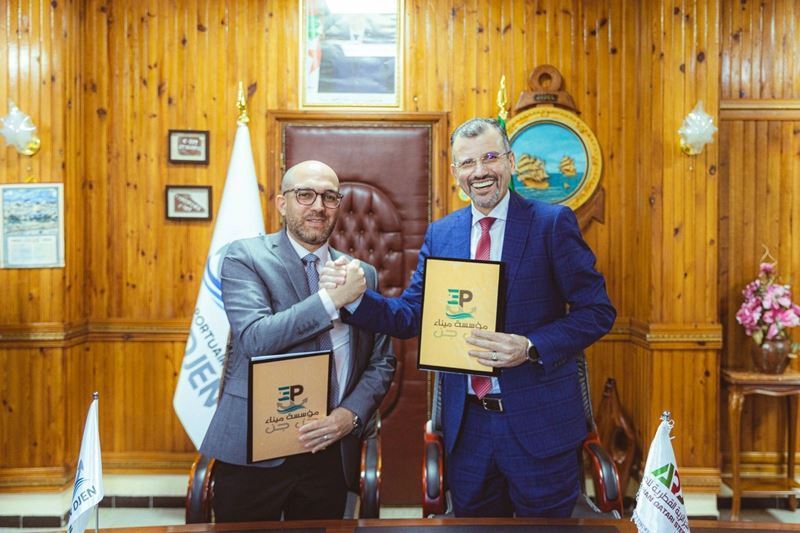
Partnership agreement signed between Algerian Qatari Steel and Djendjen Port

Tuesday, April 7, 2026

Nakayama Steel and Nippon Steel establish joint venture for electric furnace

Wednesday, April 8, 2026

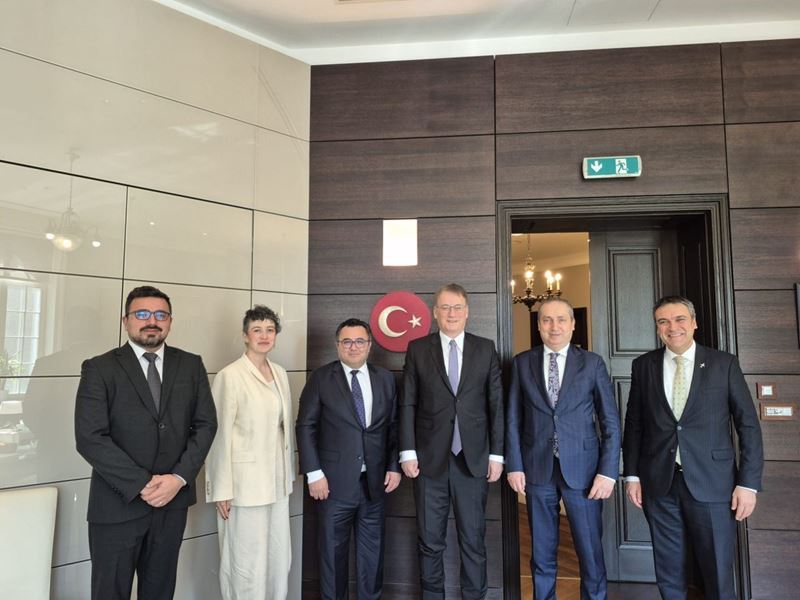
Turkish Steel Exporters Association holds steel quota talks with Serbia in Belgrade

Wednesday, April 8, 2026

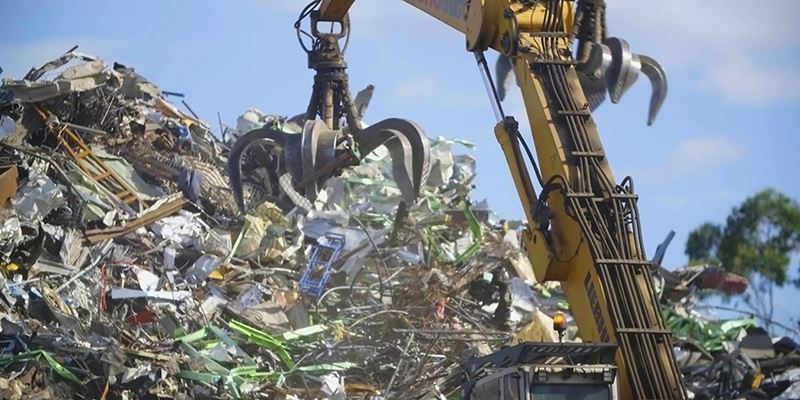
Global recycling industry warns against “Stepped Scale” methodology

Wednesday, April 8, 2026

Steel tariffs risk supply shortages, SAISC warns

Sunday, April 12, 2026
Follow List
Expand
Your watch list is empty

Add your favorite commodities for quick access and don't miss the latest price change news.


There are no news categories you follow
Edit Notification Preferences
E-bulletin subscription
Sign up to receive the latest news and daily iron prices by e-mail and sms
Become a Plus Subscriber Now!
Try it free for 3 days!
Subscribe Now
Neutral Prices
Be informed
Provincial Iron Prices
Comments and Analysis
Subscribe Now