


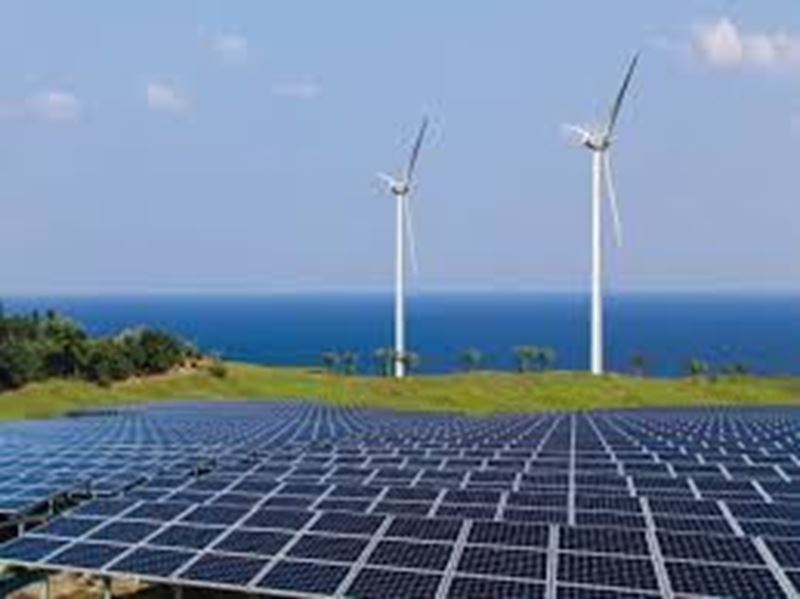
The project is considered a significant step toward increasing the use of clean energy in India’s industrial sector and reducing carbon emissions.
Developed by Oyster Renewable, the project involves a total investment exceeding ₹2,000 crore, of which Jindal Stainless has contributed ₹132 crore. Under the project, approximately 216 MW of solar and wind power will be generated in Madhya Pradesh, along with an additional 99 MW in Gujarat. The commissioning process is being carried out in phases, starting with the Madhya Pradesh facility, followed by the Gujarat site.
The project features a hybrid energy design combining bifacial solar modules with Suzlon 3.15 MW wind turbines. This integrated approach enables a balanced utilization of both solar and wind energy, ensuring a more stable power supply for industrial consumption.
Commenting on the project, Jindal Stainless Limited Managing Director Abhyuday Jindal said:
“While meeting the country’s growing energy needs, sustainability continues to form the foundation of our long-term growth strategy. Our partnership with Oyster Renewable for this hybrid renewable energy project represents a crucial step in strengthening our clean energy portfolio and reducing the carbon intensity of our operations. Large-scale renewable collaborations such as this will play a critical role in accelerating industrial decarbonization across India.”
Siddharth Bhatia, Managing Director and CEO of Oyster Renewable Energy Pvt Ltd, also commented:
“This project reflects Oyster’s ability to develop and execute large-scale hybrid infrastructure with capital discipline and technological depth. The asset we have developed for Jindal Stainless Limited combines solar and wind to deliver stable, cost-effective, and reliable renewable energy. The project is expected to reduce carbon emissions by approximately 650,000 tons annually. As India accelerates toward its net-zero goals, industrial decarbonization is becoming increasingly critical. Beyond infrastructure delivery, we are also prioritizing local workforce participation and community integration, thereby creating long-term economic value in the region. As demand for reliable clean energy in industry grows, we remain focused on scaling our hybrid portfolio with execution precision, operational reliability, and responsible development.”
With this project, Jindal Stainless aims to reduce approximately 650,000 metric tons of carbon emissions annually. The initiative also highlights the growing importance of hybrid renewable energy infrastructure in providing reliable clean energy to the industrial sector. Additionally, by involving local labor and utilizing regional supply chains during the construction and commissioning phases, the project has contributed to increased economic and social benefits in the region.





Comments
No comment yet.