13,078.93 TRY BIST 100 BIST 100
50.98 EUR EUR EUR
43.98 USD USD USD
6.41 CNY CNY CNY
0.13 CNY CNY/EUR CNY/EUR
37.86 TRY Interest Interest
85.07 USD Fossil Oil Fossil Oil
5.84 USD Copper Copper
119.25 USD Silver Silver
100.32 USD Iron Ore Iron Ore
351.00 USD Shipbreaking Scrap Shipbreaking Scrap
7,244.80 TRY Gold (gr) Gold (gr)
101.00 USD Iron Ore 61% Fe Iron Ore 61% Fe

Iron ore market shifts from 62% Fe to 61% Fe

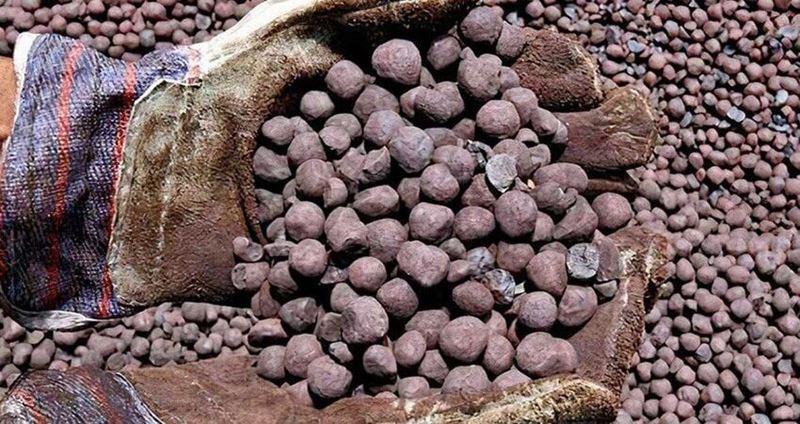
From January 2026, global iron ore pricing will shift to a 61% Fe reference. Declining quality and rising impurities make the old standard insufficient, with physical shipments now priced around 61% Fe. This change poses short-term basis risk but improves transparency and price accuracy over the long term.

Iron ore market shifts from 62% Fe to 61% Fe

The global iron ore market is entering a new pricing era. The long-standing 62% Fe reference, which has underpinned contracts, futures, and spot pricing, will officially move to a 61% Fe reference from January 2026. Declining ore quality and increasing impurities show that the 62% Fe benchmark no longer accurately reflects the products actively traded.

Notably, iron grades from Australian sources have declined over time. Rising levels of silica, alumina, and phosphorus have made the old 62% standard less suitable for the market. Physical shipments are now priced around 61% Fe, which increasingly disconnects financial contracts from the physical market.

Financial and physical market situation

The financial iron ore market, with an annual trading volume of around 6 billion tons, is roughly three times larger than the physical market. However, futures contracts based on the old 62% Fe reference carry the risk of misalignment with physical prices. SGX proposed a one-time adjustment for open positions in September 2025.

In the physical market, the change is happening faster. From mid-2025, July-arrival PBF shipments are priced around 61% Fe, indicating that the transition is already reflected in trade flows.

Industry significance

In the short term, investors are concerned about the impact of the 61-62% Fe spread on pricing and basis risk. During this dual-reference period, 61% Fe contracts could restore confidence by aligning with the market. In the longer term, using the actively traded ore grade as a reference may enhance transparency, reduce mispricing, and support risk management tools.

Comments

No comment yet.

Only +plus subscribers can access this content.

SUBSCRIBE now to share your thoughts on the markets and get more comments.
SUBSCRIBE If you already have an account Sign In

Most read news

Brazil has approved the Mercosur-EU Interim Trade Agreement

Friday, March 6, 2026

Jindal Stainless: Delays may occur in steel shipments to the Middle East

Friday, March 6, 2026

Türkiye has been included in the EU’s “Made in EU” scope

Thursday, March 5, 2026

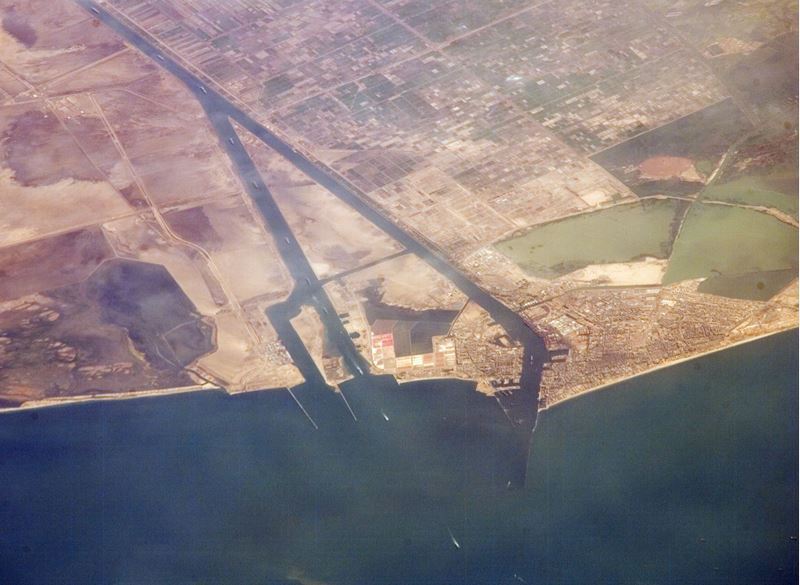
Egypt aims to strengthen the Suez Canal as a logistics hub

Friday, March 6, 2026

Hoa Phat launched its new steel pipe factory in Long An

Friday, March 6, 2026
Follow List
Expand
Your watch list is empty

Add your favorite commodities for quick access and don't miss the latest price change news.


There are no news categories you follow
Edit Notification Preferences
E-bulletin subscription
Sign up to receive the latest news and daily iron prices by e-mail and sms
Become a Plus Subscriber Now!
Try it free for 3 days!
Subscribe Now
Neutral Prices
Be informed
Provincial Iron Prices
Comments and Analysis
Subscribe Now