


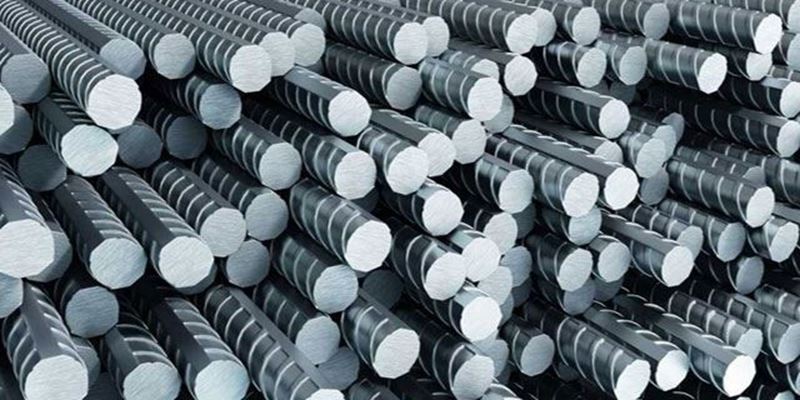
According to information previously obtained by SteelRadar, the significantly low rebar prices in Iran had led many countries to turn to Iranian imports. However, this situation negatively affected the competitiveness of domestic producers in importing countries, leading to market imbalances. In this context, Iraq had already initiated the high customs tariff policy on imported rebar nearly a year ago.
According to Iraqi officials, the applied tariff is not limited to rebar alone but also extends to other steel products such as billets.
“Price Range System” Implemented
Furthermore, a new regulation called the “Price Range System” came into effect in Iraq on April 1. Under this system, customs duties and tariffs are calculated based on global market prices, regardless of the price at which the importer procured the goods. This regulation aims to combat re-export and reverse smuggling practices.
In addition, a new banking requirement mandates that all transactions include the importer’s unique 8-digit code. While the technical details of the implementation are still unclear, this measure is considered significant in terms of tax monitoring and currency flow control.
Small-Scale Iranian Traders Exit the Market
Following the introduction of new customs and financial regulations, there has been a significant decline in Iran’s rebar exports to Iraq. It was noted that, until now, trade between the two countries was largely driven by small-scale Iranian traders. However, this group has mostly exited the market. Due to the new system, only large-scale producers have been able to continue exports to a limited extent and even those operations have nearly come to a halt due to the low exchange rate.
Commenting on the issue, Mr. Reza Heidarzade, a representative of Mobarakeh Steel in Iran and a well-known analyst of regional markets, stated on LinkedIn: “Iraq’s new customs and banking regulations have significantly limited Iran’s presence in this market.”




Comments
No comment yet.