


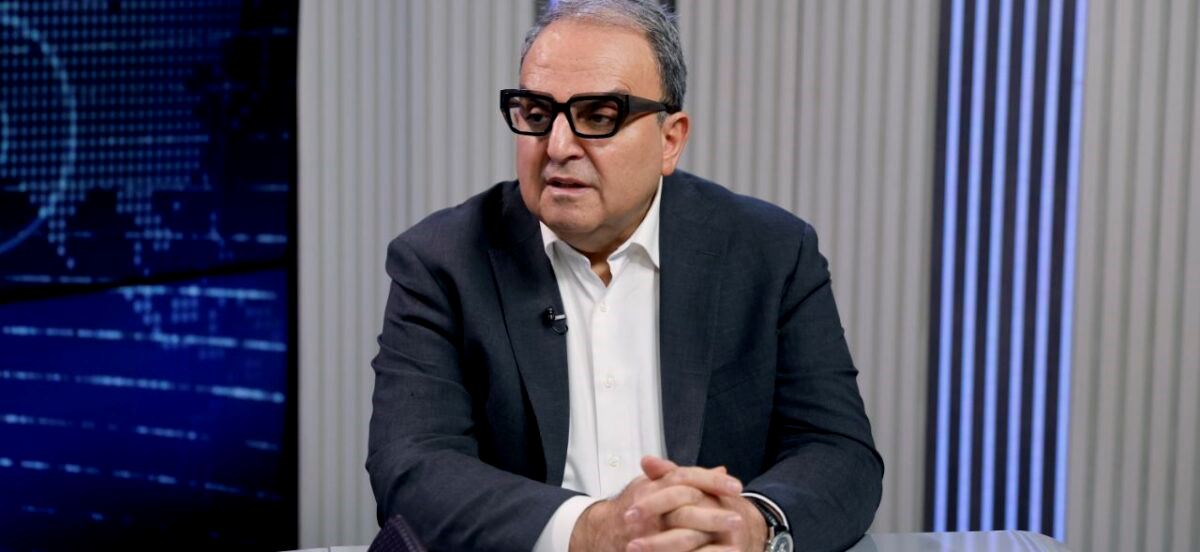
Expressing condolences to those affected—whether by destruction of property, industrial damage, or personal loss—Dr. Tehrani stated that the unplanned war severely impacted Iran’s infrastructure and came at a moment when the global commodities market was already under pressure.
A Perfect Storm for Commodities
“The Israeli attack happened just as the commodity markets were in a seasonal slump,” he explained, citing China’s economic stagnation as a major influence. Iron ore prices, already on a downward trend, dipped below $93 per ton during the conflict, briefly recovered by $1, then dropped again to $92.75 after the ceasefire was announced.
Dr. Tehrani emphasized that market forces—not geopolitical tensions—remain the main driver of commodity prices. “What we observed was more of a psychological ripple effect,” he noted, pointing to concerns around potential disruptions in oil shipments through the Strait of Hormuz, which could have triggered global energy price hikes.
Industrial Losses and Steel Sector Resilience
One of the most devastating direct hits came on the second day of the war, when an Israeli airstrike destroyed the Keyhan Sanat Caspian iron ore concentration facility in Asadabad, Hamedan. Fortunately, the attack occurred after working hours, sparing lives, though eight individuals were injured.
Despite such setbacks, Iran’s steel industry had been gaining momentum. In May—just before the outbreak of hostilities—Iran overtook Brazil to rank as the world’s ninth-largest crude steel producer. However, sustaining this growth will now require major financial support and rebuilding efforts.
Exports Disrupted, Buyers Hesitate
The war also wreaked havoc at Iran’s main export hub, Shahid Rajaee Port, where congestion grew due to halted shipments and buyer reluctance. Foreign investors, particularly from China, quickly exited the country. Many trade negotiations were suspended, and several Chinese delegations left Iran by land as evacuation flights were delayed.
With export contracts stalled and international buyers exercising caution, vessels sat idle for weeks, amplifying uncertainty and incurring potential losses in the millions of dollars.
A Call for Unity and Financial Strategy
Dr. Tehrani urged the Iranian government and industry leaders to step in with financial support, warning that expecting private companies alone to carry the burden of reconstruction is “unrealistic.” He suggested leveraging domestic assets to secure international financing, noting that funding proposals typically start at €25 million and require professional execution.
He cited Mobarakeh Steel Company’s efforts to raise €600 million for its Hot Rolling Mill 2 project as an example—partially through public bonds, and potentially through export-backed revenue.





Comments
No comment yet.