


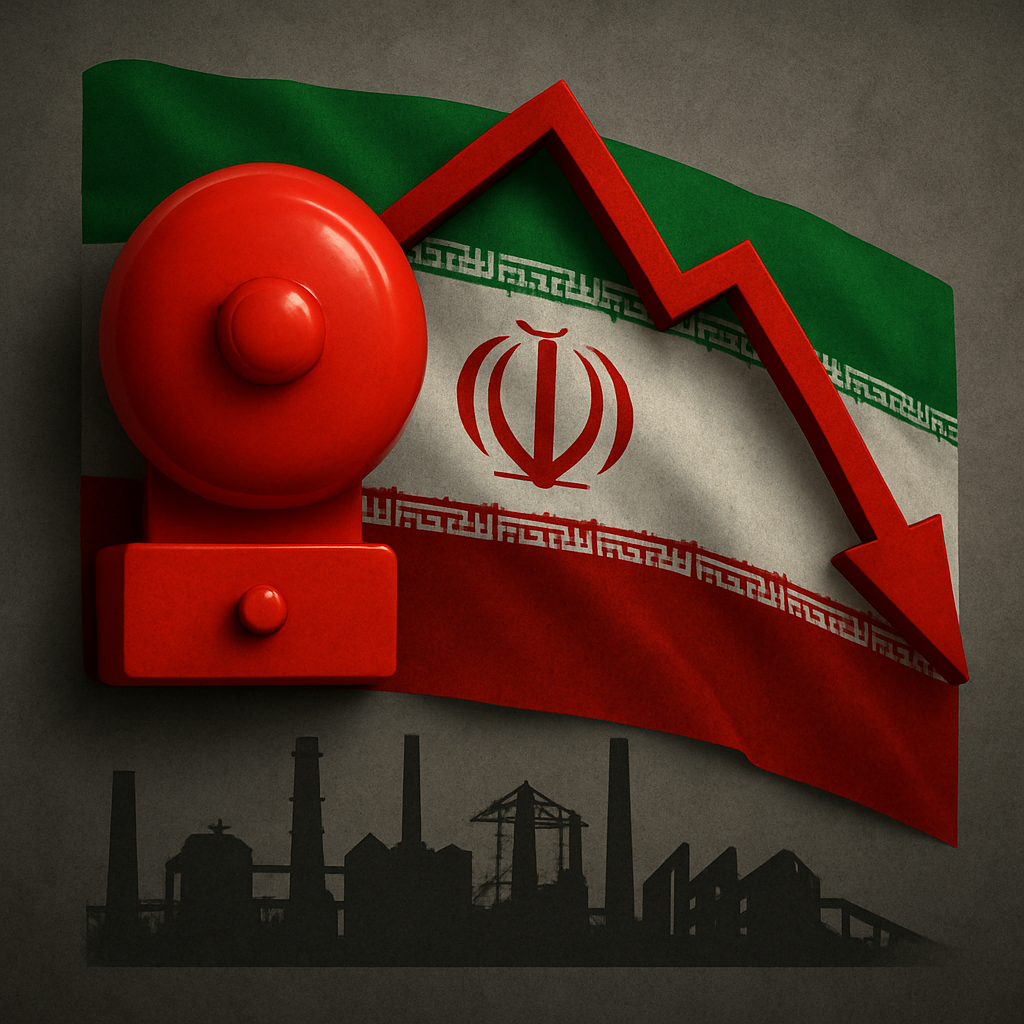
Recent volatility across Iran’s financial markets is revealing deeper structural challenges that directly affect both consumer sentiment and investor behavior. New pricing adjustments based on the secondary exchange rate have disrupted overall market stability, driving significant cost increases most visibly in steel and iron-related sectors. The steady rise of the U.S. dollar since the start of the week has further intensified uncertainty.
With exports still stagnant and competitive price surges emerging in essential commodities like construction steel, domestic demand is tightening. The widening discrepancy between official and free-market exchange rates, combined with reports suggesting potential restrictions on export cards, has amplified skepticism among business leaders. As a result, market participants are increasingly cautious, delaying purchasing decisions and reassessing short-term investment risks.
From an international marketing perspective, this climate presents a more critical challenge: erosion of brand trust at the country level. Lack of transparency in currency valuation and inconsistent operation of official financial channels create a perception among global partners of a market that is unstable and operationally unpredictable. Such perceptions influence partner selection, long-term contracts, and even supply chain strategies, making Iran appear as a high-risk environment for sustained collaboration.
Marketing and economic analysts highlight three strategic pillars essential for restoring confidence and regaining competitive positioning:
-
Predictable and stable exchange-rate management to reduce perceived market risk,
-
Clear and consistent fiscal and trade policies to enhance transparency and reliability,
-
Coordinated alignment between government actions and private-sector expectations to rebuild trust internally and externally.
Without these foundations, short-term improvements will be insufficient to shift market perception. Growing hesitation from foreign clients is no longer just a transactional issue it represents a strategic obstacle to securing long-term partnerships, entering new markets, and strengthening Iran’s position in global value chains.



Comments
No comment yet.