


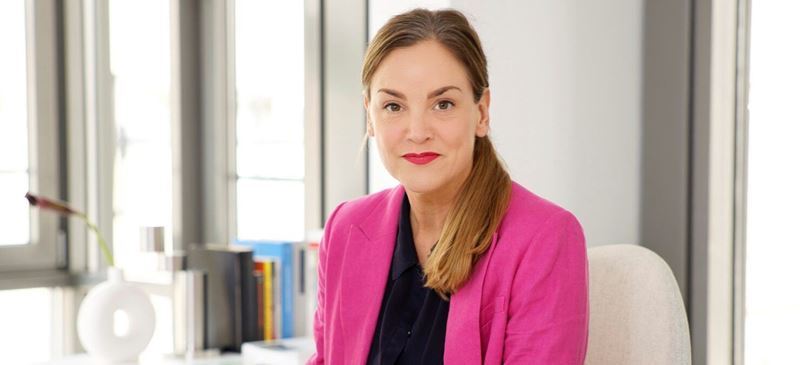
Kerstin Maria Rippel, CEO of the German Steel Federation (WV Stahl), stated that the transition to climate neutrality can only be achieved through a reliable and consistent political environment, emphasizing that the effective implementation of the announced measures is of critical importance.
The federation welcomed the creation of lead markets for low-emission raw materials such as steel, particularly in public procurement and the automotive sector, under the program. The statement underlined that reliable demand mechanisms are necessary to increase low-emission steel production, with public procurement playing a key role in this process. It also noted that including climate-friendly steel in CO₂ fleet emission limits is a step in the right direction.
On the other hand, the absence of the expected progress in the railway sector within the program was criticized, with particular attention drawn to the lack of reflection of the measures envisaged for Deutsche Bahn in the coalition agreement.
The German Steel Federation emphasized that how lead markets will be shaped within legal regulations will be decisive, warning that failure to consider the “made in the EU” criterion could harm the industrial value chain in Europe.
The statement concluded that establishing lead markets supporting the production of low-emission steel within the European Union is critical both for achieving climate targets and maintaining competitiveness, stressing that climate protection and industrial strength must be addressed together.



Comments
No comment yet.