


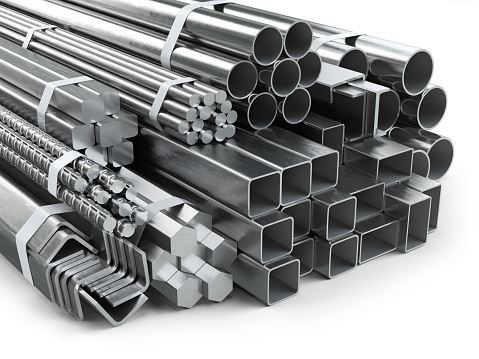
The World Steel Association (WSA) forecast writes that steel consumption in Russia in 2022 could fall by 20% to 35.1 million tons, compared to 43.9 million tons in 2021. This is the association's first estimate since the outbreak of hostilities in Ukraine. Consumption volumes in 2023 will remain at the level of 2022. Total steel consumption in Russia, CIS countries and Ukraine is expected to fall by 23.6 percent to 44.6 million tons by WSA. In 2023, it will reach 45.1 million tons with an increase of 1.1%. The previous forecast assumed that consumption growth in Russia would be 3% in 2022. Similar figures were expected in the CIS.
The association has worsened the growth forecast of world steel consumption. Global demand will increase by just 0.4% this year to 1.8 billion tons. In 2023, an increase of 2.2% is expected. The forecast prior to October 2021 suggested 2.2% growth in 2022.
The WSA assumes that hostilities in Ukraine will end in 2022, but sanctions against Russia will largely remain. The geopolitical situation around Ukraine has serious long-term consequences for the global steel industry.
The impact of the war in Ukraine will be felt around the world through high energy and commodity prices, raw material prices especially for steel production, and the ongoing supply chain disruptions that plagued the global steel industry even before the conflict. Additionally, the WSA writes that financial market volatility and increased uncertainty will undermine investment.
The reduction in steel consumption in Russia is bad news for metallurgists. Firms will have to increase export supply in order not to decrease production. This is problematic due to sanctions against shareholders of metallurgical companies and bans on imports of certain types of metal products by EU countries.






Comments
No comment yet.