


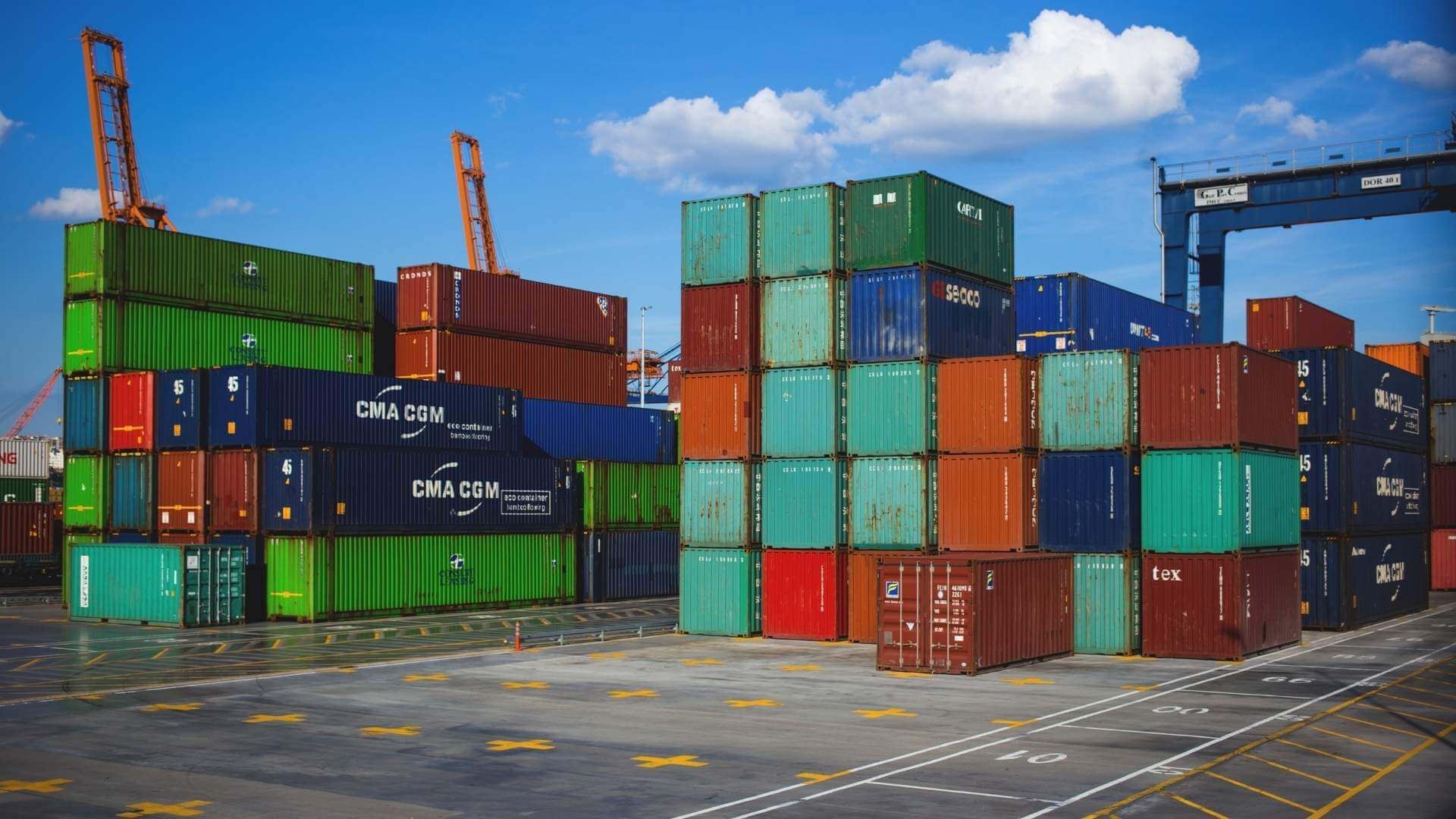
Energy cost volatility, intense competition in raw materials, compliance obligations under SKDM and challenges in accessing financing continue to shape the main agenda of the Türkiye steel industry. Despite these pressures, experts agree that Türkiye is expected to remain one of the key export hubs of the global low-carbon steel supply chain in the medium term.
According to Yasin Kanbur, Middle East Regional General Manager at Hangzhou CIEC Group, Türkiye has long played a significant role in global steel trade thanks to its EAF-based production structure, strong scrap supply chain and strategic geographical position. He emphasized that current market conditions are reshaping the sector’s export dynamics.
Kanbur stated, “The Türkiye steel industry has long served as a regional hub in global steel trade thanks to its EAF-based production structure, extensive scrap supply chain and strategic geographical position.”
The sector, with an annual crude steel capacity of approximately 55–60 million tons, has produced 33–35 million tons in recent years. Since a significant portion of production is export-driven, external market dynamics have become more decisive than domestic demand. Türkiye’s EAF-based structure provides a competitive edge in Europe’s carbon regulations due to its lower emission profile.
However, rising energy costs have increased cost levels by 25–40 USD per ton, occasionally weakening price competitiveness. Experts note that improved predictability in energy prices could help Türkiye regain momentum in exports thanks to its agile production structure.
Türkiye’s position as the world’s largest scrap importer, with 20–25 million tons of annual scrap inflow, remains critical for sustaining EAF production. Yet, the EU designating scrap as a “strategic raw material” and the acceleration of EAF investments in various regions have intensified competition. As price fluctuations of 10–15% become more common, Turkish producers have shifted toward more flexible sourcing strategies across scrap, billet and slab. The increase in billet imports in the last quarter of 2024 is one of the clearest indications of this approach.
Tariff barriers in the US and quota mechanisms in Europe are naturally redirecting Türkiye’s export map toward new regions. Saudi Arabia’s mega-projects, solid consumption in Egypt and Algeria, the steady construction cycle in North Africa and rising demand in West Africa and Latin America are driving a multi-regional export strategy. The diversification of Türkiye’s annual 12–14 million tons of semi-finished and finished steel exports in recent years further confirms this shift.
The SKDM framework requires producers to comply with a wide set of obligations—from carbon footprint calculations and MRV standards to increased use of renewable energy and higher process efficiency. In the long term, hydrogen-compatible DRI investments and high-efficiency technologies demand substantial financing, directly shaping the sector’s strategic planning.
Despite competition from Asian and Gulf-origin products, Türkiye’s logistical advantage could regain prominence if energy prices stabilize and scrap supply improves. Strong demand projections in markets such as Saudi Arabia, Egypt, Morocco and East Africa indicate significant volume potential for Turkish steel. The combination of fast delivery, agile production and flexible pricing continues to provide Türkiye with a crucial competitive advantage in a market environment where global prices are converging.




Comments
No comment yet.