


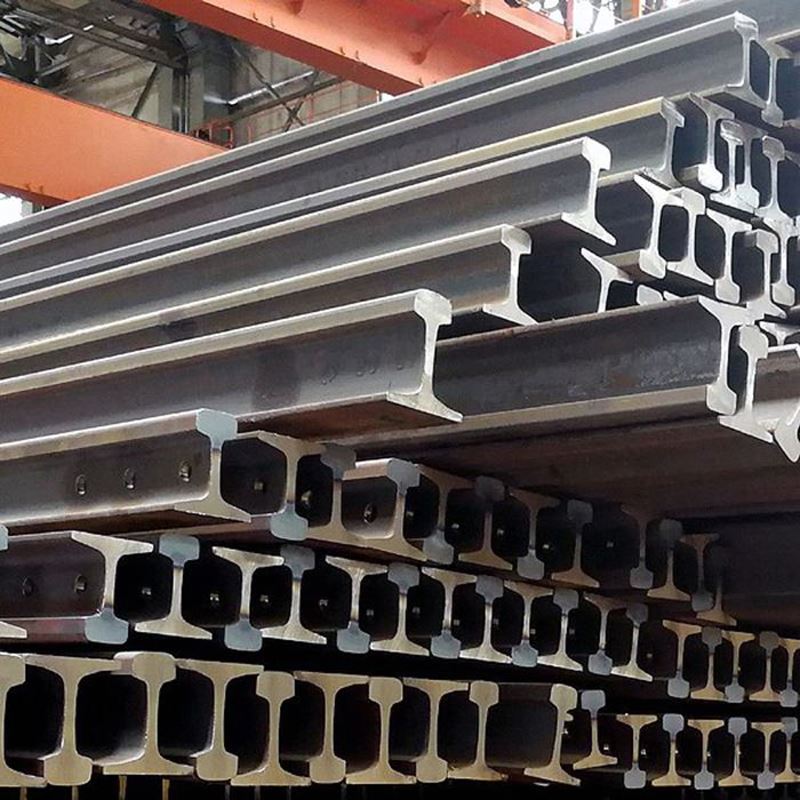
In a joint statement issued by Allianz pro Schiene, the German Nature Conservation Association (DNR), and the German Steel Federation Wirtschaftsvereinigung Stahl, it was emphasized that the strategic role of the domestic steel industry highlighted in the coalition agreement, as well as the importance of a strong railway system for economic resilience, must be recalled. The statement noted that investments made with domestically produced, low-emission steel are decisive for Germany’s competitiveness and climate targets. It further underlined that infrastructure projects carried out with low-emission steel produced in Germany and the EU would simultaneously contribute to the economy, employment, and climate protection.
The joint declaration stated that a tendering and procurement system that strengthens local supply chains in public investments would ensure that every Euro spent generates a “triple impact.” This impact would contribute to the modernization of infrastructure, the preservation of the competitiveness of the domestic economy, and the achievement of climate goals. Recalling that low-emission steel is still at an early stage in the market, the statement highlighted the need to rapidly establish so-called “lead markets” (Leitmärkte) for products manufactured in Germany and the EU.
According to the statement, the most suitable starting point for implementing these lead markets outlined in the coalition agreement is the “Pionierfeld Deutsche Bahn.” Building railway infrastructure with low-emission steel is seen as a model that could set an example nationwide. Technical calculations indicate that using low-emission steel produced in Germany or the EU could save approximately 100 tons of CO₂e per kilometer of rail track. For instance, it was emphasized that renewing the Hamburg–Berlin line could achieve a reduction of around 33,000 tons of CO₂e compared to conventional rail steel.
The organizations stated that appropriate regulatory frameworks must be established to enable the widespread use of low-emission steel. They stressed that the tender, budgetary, and financing regulations promised to be streamlined in the coalition agreement are aligned with Germany’s climate goals. Such a framework would not only serve as a fundamental component of the transition to a climate-neutral economy but would also pave the way for sustainable and low-emission construction practices. It was highlighted that, in addition to the railway sector, other industries such as construction and energy also require legal and financial clarity for long-term planning.
The joint statement noted that in the short term, pilot projects should be initiated within the current legal framework in railway infrastructure. It recalled that low-emission steel is already available for use today, citing concrete examples in France and Belgium as proof. It also emphasized the need for clear support for the use of low-emission raw materials within financing and incentive systems, calling for clear standards to ensure that climate and resource protection criteria are included in tenders. Existing evaluation methods that consider life-cycle costs in railway infrastructure should be updated and continued under BUV, GVFG, and LV InfraGO, while instruments such as CO₂ shadow prices and the Low Emission Steel Standard (LESS) could play an important role in cost assessments and tender evaluations.
The organizations stressed the need to explicitly prioritize German and EU production in tenders for basic raw materials such as steel, criticizing the current principle of product neutrality for making it difficult for innovative solutions to compete. They stated that innovations must be directly identifiable and included in technical specifications during tender processes.
The statement also recalled that low-emission steel and other climate-friendly materials are still more expensive than conventional products and emphasized that this must not undermine the competitiveness of the railway sector. It was stated that in order to simultaneously carry out both more infrastructure investment and more sustainable investment, the federal government should cover the potential additional costs. For this purpose, the Climate and Transformation Fund (KTF), established as part of the special fund for infrastructure and climate neutrality, was identified as an appropriate source of financing.
In their joint statement, Allianz pro Schiene, DNR, and Wirtschaftsvereinigung Stahl called on the federal government to promptly implement the necessary market structures for low-emission steel produced in Germany and the EU, rapidly launch pilot applications in the railway sector, and introduce legal regulations to prioritize low-emission materials in tenders. The organizations emphasized that these steps would significantly contribute not only to climate goals but also to Europe’s economic resilience and the competitiveness of domestic industry.



Comments
No comment yet.