


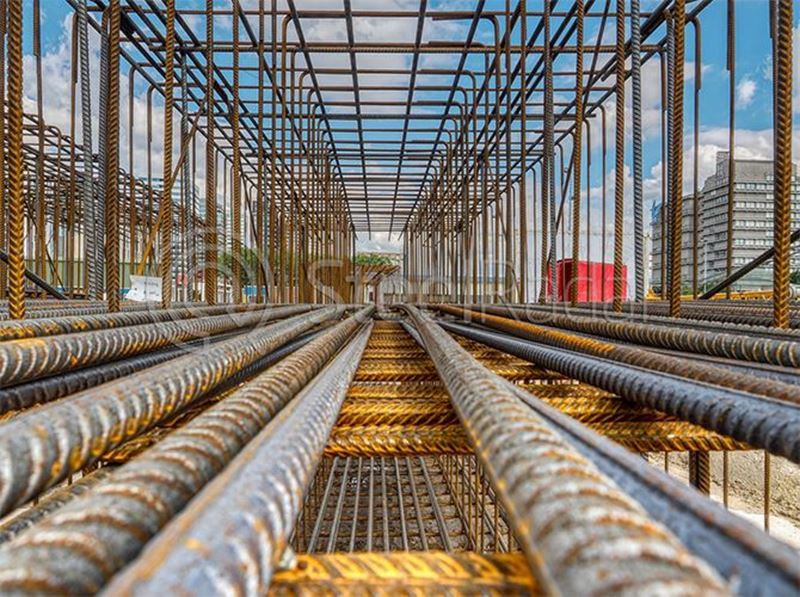
In the current market environment, price increases appear to be driven less by strong demand and more by rising raw material and logistics costs, which are influencing producers’ pricing strategies. In particular, resistance from scrap sellers and higher imported billet prices are among the main factors limiting the downside potential for long steel product prices in the coming period.
Scrap is increasing cost pressure on long steel products
The rise in scrap prices, one of the key raw materials used in Türkiye’s electric arc furnace-based steel production, is playing a decisive role in the current performance of the long steel products market.
Higher oil prices are pushing up bunker fuel and transportation costs, while freight rates, particularly for shipments from the United States to Türkiye, are increasing import costs. At the same time, US export scrap prices continue to move higher, supporting Türkiye’s imported scrap costs.
The reluctance of US exporters to sell at lower levels, along with some sellers waiting for counteroffers from buyers instead of making direct offers, indicates that price resistance remains strong in the market. The emergence of new scrap bookings from the Baltic region at levels above USD380–390 per mt is also supporting the upward outlook.
At the same time, rising rebar prices in Türkiye are allowing producers to widen the price range they can afford to pay for scrap purchases. As a result, scrap and finished steel prices are creating a mutually supportive pricing cycle.
At present, the main drivers behind the rise in scrap prices are higher freight and other costs, strong resistance from sellers, and rising rebar prices in Türkiye.
Domestic billet rises to USD545–555 per mt
One of the most direct reflections of higher scrap costs can be seen in Türkiye’s domestic billet market.
Following the latest sales in İskenderun, domestic billet prices in Türkiye increased to USD545–555 per mt ex-works. The weekly increase was approximately USD7.5 per mt.
In addition to higher scrap prices, accepted rebar price levels reaching the USD600–610 per mt ex-works range are giving producers room to revise billet prices upward.
The increase in the imported billet market has been more pronounced compared with the domestic market. Chinese billet offers for October shipment to Türkiye increased by approximately USD10 per mt to $520–525 per mt CFR Türkiye.
Before the latest price increase, approximately 150,000 mt of Chinese billet had been booked at USD503 per mt and USD508–510 per mt CFR. Around 52,000–54,000 mt of Malaysian billet was sold at USD512–515 per mt CFR.
Supply from Russia and Iran is more limited. The potential price level for Russian billet is around USD510 per mt CFR Türkiye, while the indicative level for Iranian material is approximately USD495 per mt CFR/FCA. However, the limited availability of firm and clear offers from both origins is reducing the pressure that lower-priced alternatives could otherwise exert on the Turkish market.
This outlook indicates that both the domestic and imported billet markets are moving higher at the same time.
Producer and spot rebar prices increases together
Cost pressure from the billet and scrap markets is also feeding into Türkiye’s rebar market.
Between September 4 and 10, spot prices rose across all key regions. In Istanbul, the spot rebar price increased from $624 to $643 per tonne, while in Izmir, it rose from $597 to $619 per tonne. Prices climbed from $628 to $636 per tonne in Karabük and from $602 to $612 per tonne in Payas.
As a result, the most pronounced dollar-denominated increase during the period was recorded in İstanbul. However, the fact that prices moved higher across all regions indicates that the increase was not limited to a single market.
A similar picture emerged on the producer side. In İzmir, rebar prices rose from $600 to $619 per tonne between September 4 and 10. Meanwhile, in İskenderun, prices—which stood at $600 per tonne on September 4—reached $610 per tonne by September 10.
Biga's, rebar price for diameters of 12–32 mm diameter rebar was $610 per tonne on September 4; it rose to $615 on September 7, $620 on September 8, and $430 on September 10. This represented an increase of $20 per tonne over the course of five days.
The fact that successive upward revisions by producers are also being reflected in the spot market indicates that the price increases are not limited to list prices.
Upward pricing gains momentum in wire rod
The wire rod market has also joined the broader upward trend in long steel products.
Kardemir’s dollar-denominated wire rod price increased from USD600 per mt on 20 August to USD625 per mt on 9 September, representing an increase of USD25 per mt, or approximately 4.2%.
A similar movement was seen in Biga’s mesh coil prices. Prices increased from USD620 per mt on 4 September to USD625 per mt on 7 September and then to USD630 per mt on 8 September.
Increases at both Karabük and Biga indicate that the upward movement in the wire rod market has spread across a broader range of producers.
Sections market also follows the upward trend
The Turkish sections market also recorded upward price movements during the first week of September.
In İzmir, prices for H sections (HEA–HEB) and I sections (IPN–NPI) stood at USD710 per mt as of 7 September, representing a USD10 per mt increase for both product groups compared with the previous week.
In the İstanbul spot market, a wider price range is seen due to differences in products and dimensions. As of 8 September, standard HEA/HEB products were trading at approximately USD730–816 per mt, while prices for the IPE/NPI/NPU group were around USD665–813 per mt, depending on dimensions.
The upward revisions seen in TL-denominated prices for many sections in İstanbul, together with the weekly dollar-denominated increase in the İzmir market, indicate that the sections market is also moving in the same direction as other long steel products.
Cost-driven increases could support prices in the short term
Overall, the Turkish long steel products market has seen a mutually supportive price movement across scrap, billet, rebar, wire rod and sections during the first part of September.
Imported scrap costs are at the beginning of this chain. Higher oil and freight costs, firm price resistance in the US and Baltic scrap markets, and sellers’ reluctance to sell at lower levels are pushing up production costs in Türkiye.
Higher prices for imported billet, particularly from China, are adding to this cost pressure and narrowing producers’ room to turn to lower-cost raw material or semi-finished product alternatives. As a result, the increase in costs is spreading from billet to rebar and wire rod, and subsequently to other long steel product groups such as sections.
However, the response of final demand to higher prices will be decisive in determining whether the current upward trend is sustainable. While producers appear able to maintain cost-driven price increases, the market’s next direction will depend on the extent to which buyers accept higher levels and whether their appetite for restocking strengthens.
In the short term, if scrap costs do not see a significant correction, imported billet offers remain at elevated levels, and producers maintain their price resistance, the room for downward price movements in Türkiye’s long steel products market is expected to remain limited.



Comments
No comment yet.