


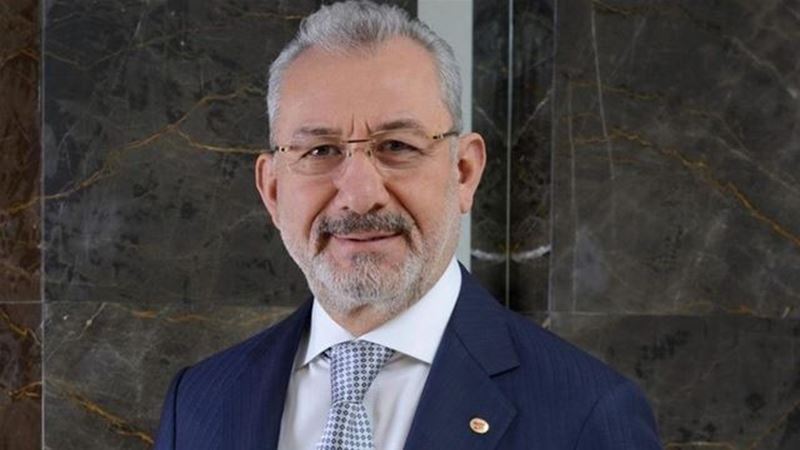
Fuat Tosyalı, Chairman of the Mediterranean Exporters’ Association of Iron and Non-Ferrous Metals (ADMIB), stated that the sector’s total exports reached USD 30 billion, noting that the new year has begun with a cautious outlook under the shadow of global risks.
According to sector data, Türkiye’s exports of iron and non-ferrous metals increased by 14.1% as yearly in December to USD 1.1 billion, while steel exports increased by 5.3% to USD 1.5 billion over the same period. For the full year, exports of iron and non-ferrous metals reached USD 13 billion and steel exports totaled USD 17 billion, giving the two sectors a combined share of 12.6% of Türkiye’s total exports.
Focusing on ADMIB figures, exports of iron and non-ferrous metals in December increased by 12% to USD 81 million, while steel exports declined by 19.8% to USD 190 million. Over the January–December period, the association recorded USD 818 million in exports of iron and non-ferrous metals and USD 2.2 billion in steel exports.
By market, Romania ranked first in Türkiye’s iron and steel exports in December, followed by Italy, Germany, the United States and the United Kingdom. In ADMIB exports, Italy maintained its leading position, while Morocco, Egypt, the United States and Iraq stood out as key markets. On a full-year basis, Germany, Italy and Romania led Türkiye’s overall exports, whereas ADMIB’s largest markets were Italy, Iraq and Romania.
Morocco emerged as a particularly notable market in 2025. Türkiye’s exports to Morocco increased by 50%, while exports to Italy and Bulgaria increased by 13% and exports to Greece grew by 12%. On the ADMIB side, exports to Morocco surged by 88%, ranking first among growth markets, with the United States, Ukraine and Germany also posting strong increases.
Commenting on the overall outlook, Tosyalı said growth continued in iron and non-ferrous metals, while global demand and price pressures weighed on the steel segment. Despite these challenges, he emphasized that total exports from the Mediterranean region reaching USD 3 billion further strengthened the region’s role in the sector.
Turning to expectations for 2026, Tosyalı also addressed financing conditions, noting that easing inflation and the anticipated decline in interest rates could make the investment environment more predictable. Improved access to finance he said, would create significant opportunities for companies planning modernization and capacity expansion.
Highlighting the rising trend of protectionism globally, Tosyalı stressed the importance of keeping trade dialogue channels open, particularly with the European Union. He underlined that accelerating investments focused on green transformation, value-added production and efficiency is essential to support sustainable growth, adding that the association will continue its efforts to help exporters adapt to the new period.



Comments
No comment yet.