


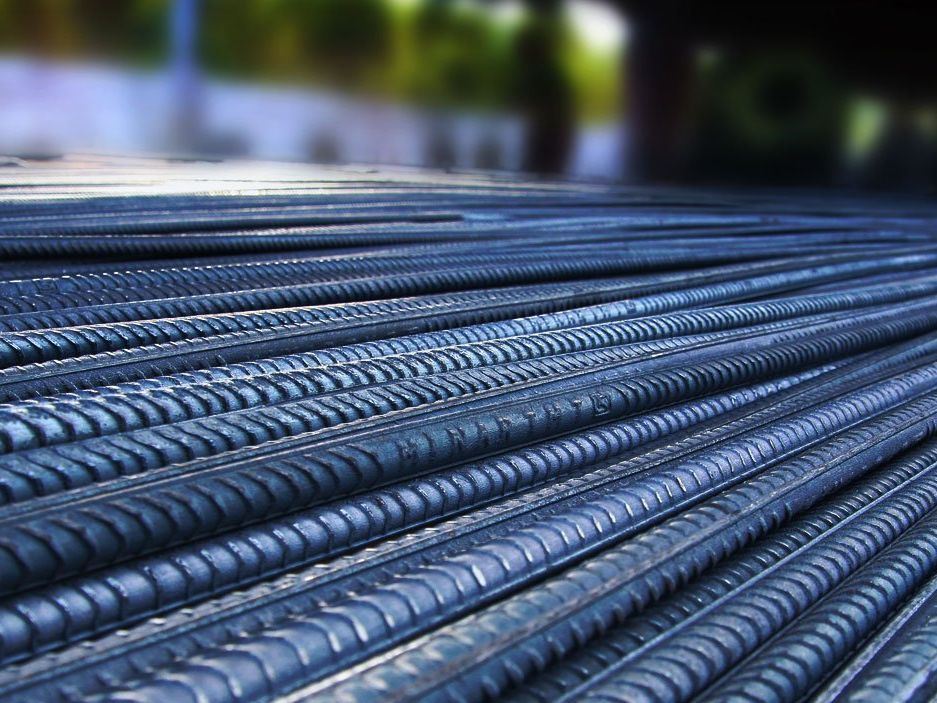
According to the scrap-based pricing formula in South Korea, the standard rebar price was expected to decrease by about 8,000 won (about US$6) (-1.9 %) per tonne in August. However, as prices were adjusted within 5 % on a quarterly basis, this was regarded as a ‘freeze’ and the standard rebar price remained unchanged at 907,000 won (US$654) per tonne.
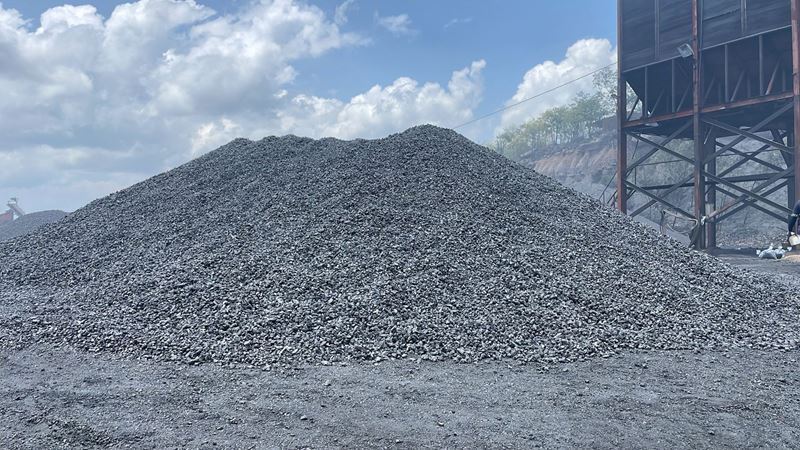
Another important factor affecting the prices of rebar is the development of scrap prices in the domestic and foreign markets. On the domestic market, the decline in the volume of ferrous scrap and the recovery in prices for products such as rebar are among the factors influencing the balance between supply and demand and driving up prices. While foreign markets remain weak for the time being, prices for low-value domestic ferrous scrap are expected to remain strong.
Scrap experts expect scrap prices to rise by a minimum of 10,000 won (USD 7) and a maximum of 30,000 won (USD 21) in August.
The standard rebar price is also expected to remain stable in September. Due to the strong performance of ferrous scrap, there may be some price fluctuation, but it is unlikely to meet the quarterly adjustment requirement of 5% or more. In this context, the standard rebar price (KRW 907,000) is likely to remain at the same level for three months in the third quarter.
As a result, scrap and rebar prices in South Korea continue to fluctuate depending on domestic and foreign market conditions. However, current price regulations and market trends suggest that prices will remain stable at a certain level.



Comments
No comment yet.