


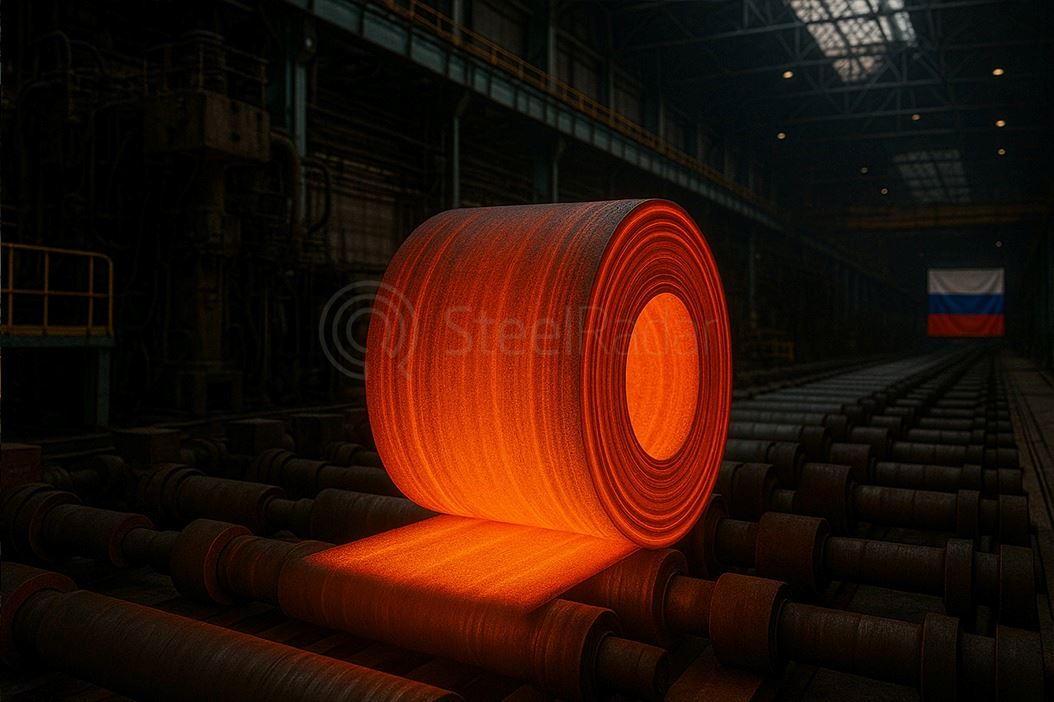
A Russian producer that is not subject to international sanctions has increased its HRC export offers by $10–20/t, bringing nominal prices to $510–520/t FOB Black Sea. Market participants reported that a limited volume of August material was concluded at around $525/t FOB Black Sea before the mill suspended new export offers after allocating its entire August production to domestic customers. The withdrawal has tightened near-term export availability and provided short-term support for Black Sea prices.
In contrast, a sanctioned Russian supplier has taken a different approach, focusing on markets where trade restrictions are less significant. The producer is currently offering September-shipment HRC to Iran and CIS countries at around $555/t FOB Astrakhan. Cold rolled coil (CRC) offers from the same supplier are reported at $655/t FOB Astrakhan.
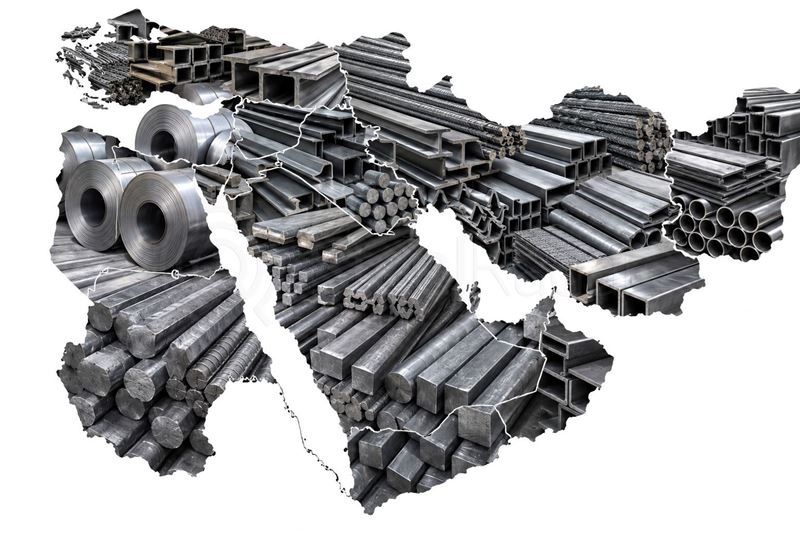
The recent improvement in Black Sea HRC prices has also been supported by changes in regional trade flows. Higher freight costs for Asian steel and a sharp decline in Middle Eastern steel production have reduced competitive pressure in several export destinations. According to World Steel Association data, crude steel production in the Middle East fell by 14.6% year on year during January-May 2026 to 19.9 million tonnes, while May output alone declined by 19.4% to 3.9 million tonnes. Lower regional supply has created additional opportunities for exporters serving customers in Türkiye, the Middle East and North Africa.
Türkiye remains one of the key destinations for Russian HRC shipped from Black Sea ports. Trade data for the first four months of 2026 show that Russian HRC exports to Türkiye increased by 9.2% year on year to 248,880 tonnes, making Russia the country's largest supplier with a 21.8% market share. During the same period, Chinese shipments to Türkiye dropped by nearly 40% to 229,800 tonnes. China's own HRC production has also weakened, declining by 6.7% during the first five months of the year to 88.5 million tonnes, further reducing export pressure in some overseas markets.
Despite these supportive factors, the current price strength is unlikely to develop into a sustained upward trend. Steel demand in Türkiye remains subdued, limiting buyers' willingness to accept higher import prices. At the same time, Chinese exporters have recently become more competitive in Black Sea-related markets, increasing pricing pressure on regional suppliers.
Another important shift has been the changing export strategy of Russian mills. Rather than relying primarily on Black Sea shipments, several producers have reduced exports through this route and redirected larger volumes via the Caspian Sea toward Iran, where realised prices remain more attractive. This reallocation has contributed to tighter Black Sea supply in the short term, but it also suggests that recent price increases are largely supply-driven rather than supported by stronger end-user consumption.
Looking ahead, the direction of the Russian HRC export market will depend on whether Black Sea supply remains limited and whether demand in key importing countries improves. Without a meaningful recovery in steel consumption, particularly in Türkiye, the recent price gains may prove difficult to sustain once export availability normalises and competitive offers from Asian suppliers return to the market.




Comments
No comment yet.