


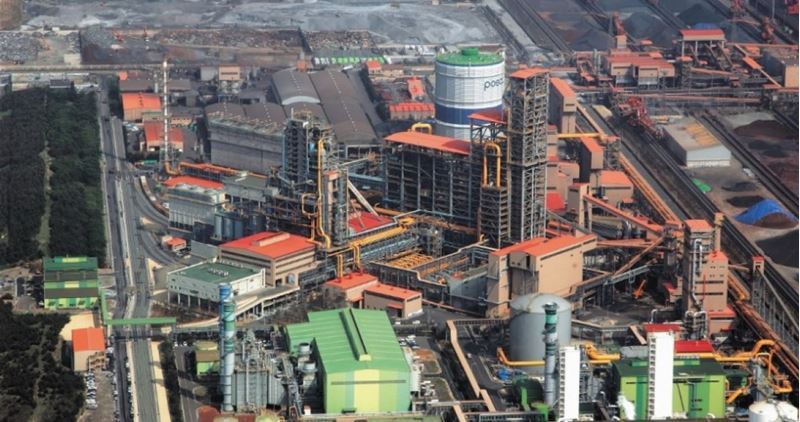
Under the approved plan, a new industrial site of approximately 1.34 million square meters will be created in the sea area located north of the Pohang steel plant. This land, to be reclaimed through coastal filling, will be specifically allocated for hydrogen based steel production and developed as an integrated industrial complex combining energy and production. The project timeline has also been extended from 2030 to 2041.
This investment is considered a significant step in South Korea’s transition toward low carbon steel production. The hydrogen reduction method enables the separation of oxygen from iron ore using hydrogen instead of coking coal used in traditional blast furnace processes, releasing water instead of carbon dioxide. In this way, a substantial decrease in emissions is targeted.
The project dates back to 2021, and one of the main challenges was securing a site of suitable size and infrastructure. Due to the high costs and risk of production disruption associated with transforming existing facilities, the company opted for land reclamation. The designated 1.34 million square meter area is stated to be large enough to accommodate the required facilities while having a limited impact on existing port operations.
However, the project process has been subject to intense debate due to environmental concerns. During the environmental impact assessment process, more than 7000 opinions were submitted, particularly focusing on potential effects on the marine ecosystem, current structures and fishing activities. In addition, the safety of steel by products to be used as filling material was also discussed. Posco stated that only stabilized materials will be used and emphasized that analyses do not indicate a significant change in seawater movement.
Throughout the lengthy administrative process, coordination among different ministries was ensured and the plan underwent several revisions. Prior to final approval, the project was also reviewed by the central industrial planning committee and was formalized after the necessary adjustments.
The new facility site is planned not only as a production area but also as an industrial hub integrating energy and production infrastructure. The project is expected to consume approximately 1.14 million MWh of electricity annually, with demand planned to be met through both existing generation sources and the external grid.
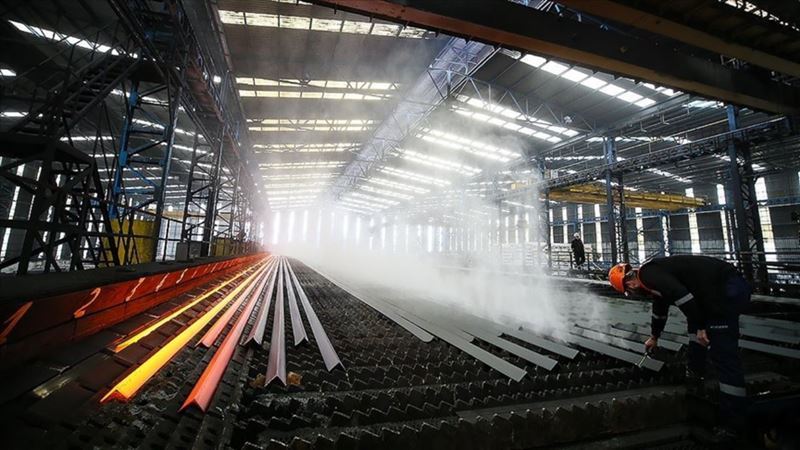
Posco is planning to establish a pilot application of its hydrogen based direct reduction technology called HyREX at the site. The company aims to begin test production with an annual capacity of 300000 tons by 2028, while in later stages it is being evaluated that existing blast furnaces will be gradually replaced with this technology.
While the South Korean government aims to commercialize hydrogen based steel production around the 2030s, this project is seen as one of the concrete steps of this transformation.



Comments
No comment yet.