


Scrap costs rise
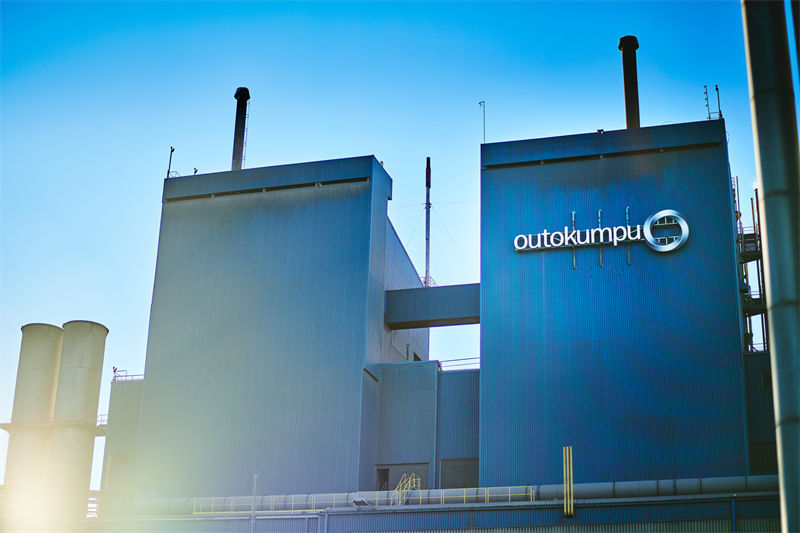
Outokumpu’s European business reported adjusted EBITDA of EUR 17 million in the second quarter of 2026, compared with a loss of EUR 13 million in the first quarter. The second-quarter profit was slightly above EUR 16 million recorded in the same period last year.
Outokumpu Chief Financial Officer Marc-Simon Schaar told Reuters that local steel production supported by the EU’s trade measures had increased demand for scrap. However, weaker demand from end-users reduced scrap generation, while tighter supply kept scrap prices above last year’s levels.
Cost pressures persist
Schaar said that rising freight, transportation and fuel costs had also increased pressure on the company. In addition, state support worth approximately EUR 35–40 million annually, which helped offset EU emissions trading costs, has come to an end.
Imports accounted for 17% of European steel consumption in April and May, up from 15% in the first quarter. Schaar said the import share may have increased further in June ahead of stricter EU trade measures that took effect on July 1.
Volume decline expected in the third quarter
Distributors have remained cautious in placing orders after replenishing inventories during the first quarter. The conflicts in the Middle East and the weak economic outlook were also cited as factors continuing to weigh on demand.
Outokumpu expects sales volumes to decline by up to 10% in the third quarter. The company expects developments in realised prices and raw material costs to offset the lower volumes, with adjusted EBITDA remaining broadly stable.




Comments
No comment yet.