


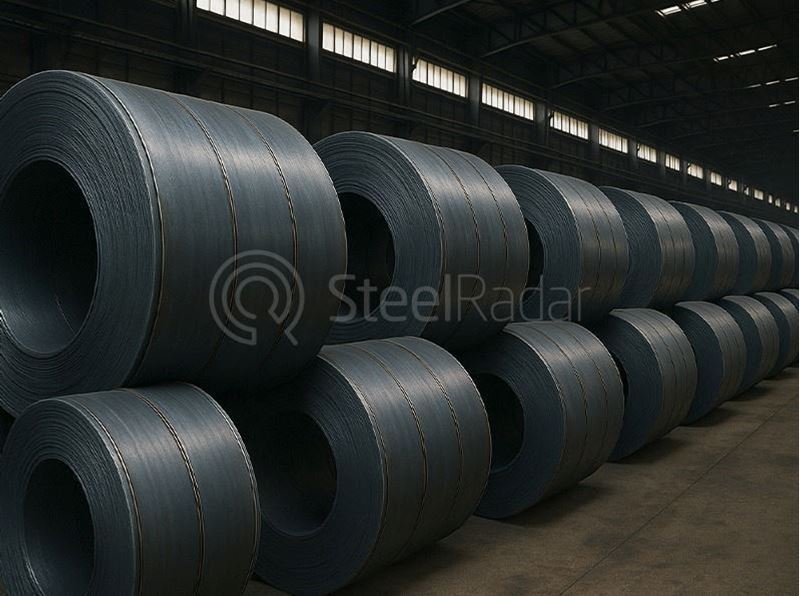
The current price level is the outcome of a gradual rise rather than a sudden jump. At the beginning of January, prices were holding at $950/ton. From that point, Nucor introduced a series of small weekly increases, typically between $5 and $10 per ton. Within less than three months, this approach pushed the market up by around $75/ton. The step-by-step pattern made it easier for buyers to adapt, reducing resistance compared to a sharp increase.
The move above $1,000/ton earlier in March marked a key shift in market expectations. With prices now holding above that level, the latest increase reinforces the idea that four-digit pricing is becoming standard in the U.S. flat-rolled market.
Several factors continue to support current price levels. Trade policy remains a major influence, as the 50% Section 232 tariffs limit the competitiveness of imported material. While international prices are lower, additional costs such as duties, freight, and longer delivery times reduce the advantage of offshore supply. This keeps domestic mills in a strong position when it comes to pricing.
Demand remains uneven but stable enough to maintain the market. Some sectors, including manufacturing and residential construction, have shown weaker performance. At the same time, demand linked to infrastructure and large industrial projects continues to provide support, helping balance the overall market.
Lead times are another important factor. Nucor has indicated spot order lead times of around three to five weeks, which limits buyers’ ability to delay purchases while waiting for possible price declines. As a result, many buyers are choosing to secure material earlier, which supports order books and keeps prices firm.
From the buyer’s side, flexibility is limited. Earlier in the year, some companies relied on existing inventories, expecting the market to stabilize or move lower. As prices continued to rise and availability tightened, this approach became harder to maintain. Securing near-term supply has become a priority, even at higher price levels.
In the near term, the market remains stable. Limited imports, controlled supply, and consistent demand from key sectors suggest that prices are likely to stay firm. However, there is still uncertainty for the second half of the year. Any changes in demand or shifts in import conditions could alter the balance.
For now, the latest $10/ton increase confirms the ongoing upward trend. Prices have moved higher in a controlled manner, and there are currently no strong signs of immediate downward pressure.






Comments
No comment yet.