


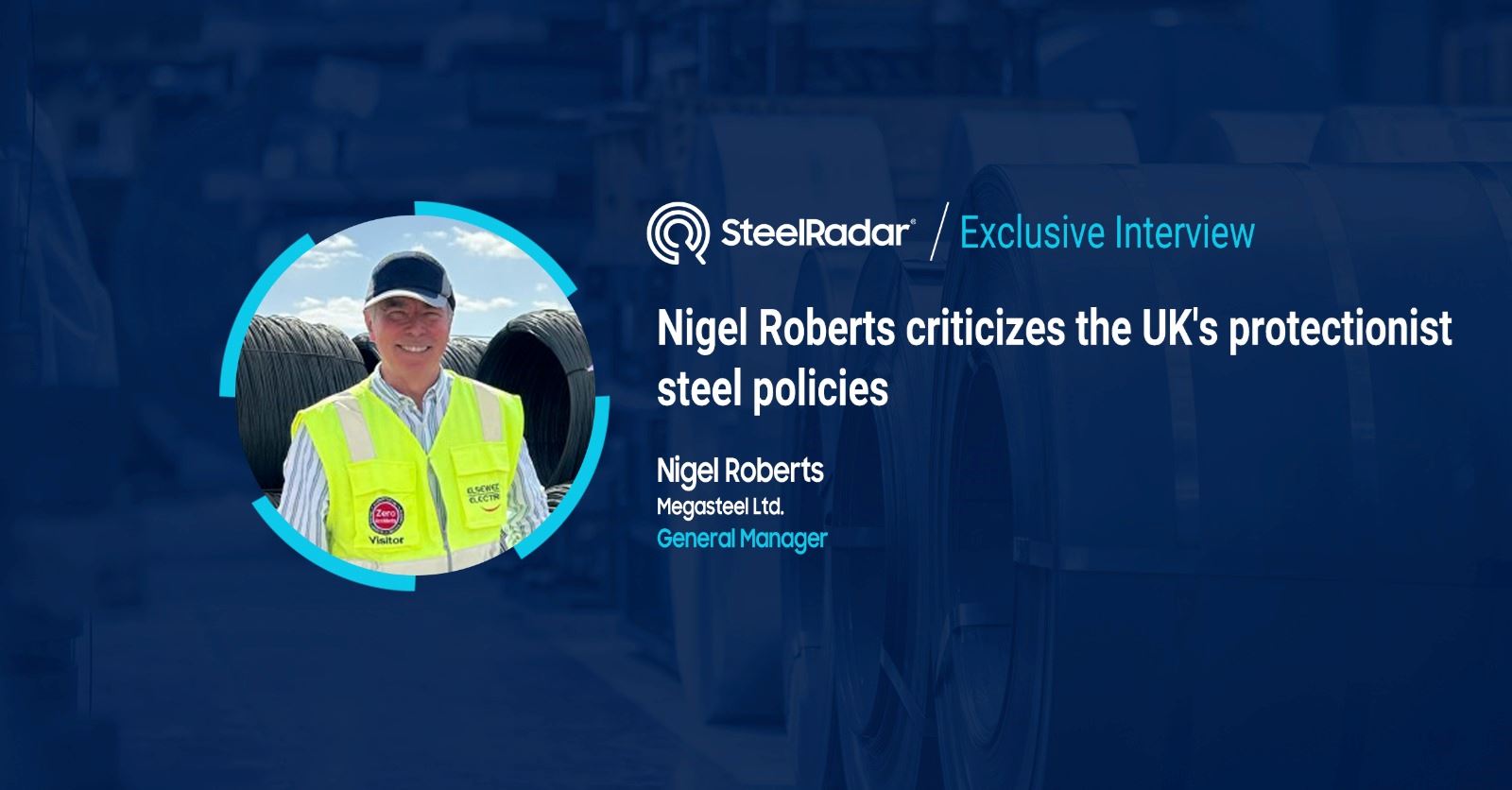
The UK Government recently unveiled its new Steel Strategy. How do you assess it? Do you believe it will improve the long-term competitiveness of the UK steel industry?
I find the new UK Steel Strategy deeply concerning. It is being presented as a way to "support British industry," but I fear it could ultimately achieve the opposite. The UK is moving toward higher tariffs, import quotas, greater reliance on subsidies, protectionist public procurement policies, and the nationalization of British Steel. Open markets encourage industries to innovate, invest, improve productivity, and remain competitive. Protectionism, on the other hand, weakens these incentives while shifting costs onto the wider economy. The steel industry can only thrive if it remains globally competitive not if it depends on permanent protectionist measures.
The strategy includes measures such as higher tariffs and import quotas. Do you believe these trade protection measures will benefit the UK steel industry, or could they create unintended negative consequences for the broader economy?
If steel becomes artificially expensive because of quotas and 50% tariffs, the competitiveness of the UK's steel-consuming industries will inevitably suffer. The steel sector is not just steel producers it also includes construction, engineering, automotive, metal processing, infrastructure, manufacturing, and exporters. Protectionism reduces the pressure on industries to innovate, invest, improve efficiency, and stay competitive, while transferring higher costs to the rest of the economy.
"The UK has some of the highest industrial electricity prices in the world."
The UK is accelerating its transition to Electric Arc Furnace (EAF) steelmaking. Do you believe the current strategy adequately addresses long-term access to high-quality scrap, DRI, and affordable energy?
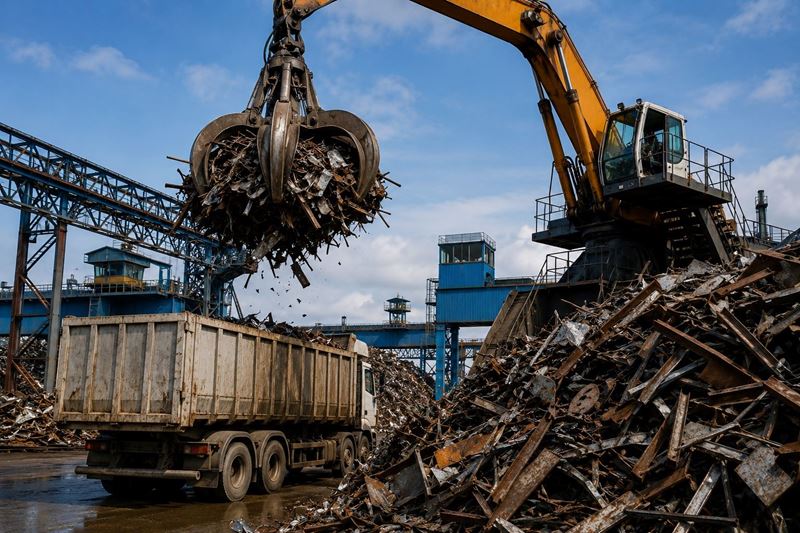
The transition toward scrap-based Electric Arc Furnace (EAF) production is another major concern. EAF technology certainly has an important role to play. However, the assumption that scrap alone can sustain an advanced, large-scale steel industry is highly questionable.
As more countries shift to EAF production, global demand for high-quality scrap will increase rapidly. In fact, the UK's own Steel Strategy acknowledges that demand for low-residual, high-quality scrap could rise by seven to eight times. The obvious question is: where will all that scrap come from?
Furthermore, the quality of scrap will inevitably be insufficient for producing many high-grade steel products. As a result, the industry will increasingly rely on Direct Reduced Iron (DRI). However, DRI production requires both high-grade iron ore and enormous quantities of hydrogen or natural gas.
So where will these come from? Hydrogen itself requires vast amounts of electricity to produce, with significant energy losses occurring throughout the entire production chain. Meanwhile, the UK already has some of the highest industrial electricity prices among developed economies.
In that case, are we really building a globally competitive steel industry?
Or are we creating an industry that will remain permanently dependent on imported raw materials, subsidized electricity, taxpayer support, and political intervention?
And what about nationalization? Britain has tried that before. It did not create a world-leading steel industry. Instead, it resulted in inefficiency, political interference in industrial decision-making, and long-term decline.
The steel industry succeeds through global competitiveness not through permanent protectionism.
In your opinion, what is the biggest misconception in today's debate about the future of the UK steel industry?
The biggest misconception is the belief that tariffs, import quotas, dependence on subsidies, protectionist public procurement policies, and the nationalization of British Steel will strengthen the industry. These measures are presented as a way to support British industry, but I believe they could ultimately produce the opposite effect.
Open markets encourage companies to innovate, invest, improve productivity, and remain competitive, whereas protectionism weakens those incentives. The steel industry can only prosper if it competes successfully on a global scale not if it relies on permanent protectionist measures.




Comments
No comment yet.