


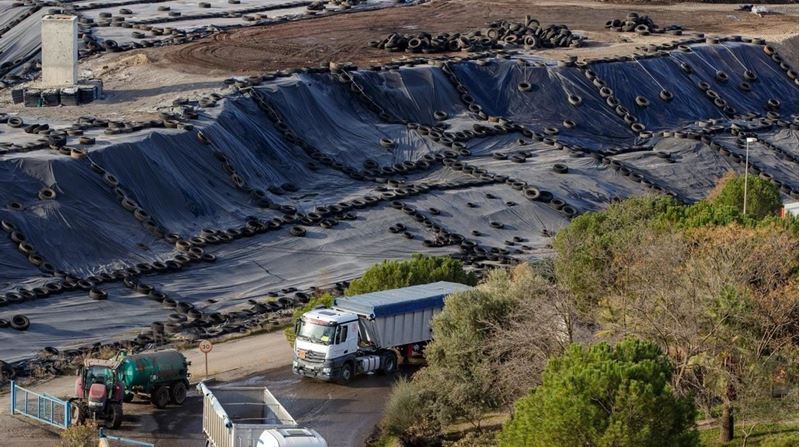
New regulation for Nerva facility
On August 21, the Regional Delegation for Sustainability and Environment authorised a major modification to the Integrated Environmental Authorisation (AAI) of the Nerva industrial waste management centre in Huelva, Spain, owned by Diseño de Soluciones Medioambientales (DSM).
The decision approves the reorganisation and improvement of existing facilities, as well as a project covering the operation, sealing and eventual closure of the waste disposal areas. The project предусматривает the operation and closure of the landfill areas in four phases.
The authorisation process was initiated by DSM in December 2019 and continued with additional documentation submitted in 2025. The new arrangement aims to increase waste treatment, recycling and recovery activities, while limiting landfill operations to waste that cannot be recovered or recycled.
Five different waste treatment units
The new arrangement includes five units dedicated to the treatment of solid waste.
One of these is the Solid Recovered Fuel (SRF) plant. The facility will process materials recovered from end-of-life vehicles and other non-hazardous waste with high calorific value into fuel that can be used for energy recovery in cement kiln operations.
The project also includes a recycling and recovery facility for contaminated packaging and scrap metals. The facility will provide for the decontamination of metal and plastic packaging, as well as the treatment of scrap contaminated with industrial organic compounds. Liquids generated during the washing process will be sent to a wastewater treatment plant.
The third unit will be used for the washing and bioremediation of contaminated soil. Excavated soil will undergo washing to separate contaminated fractions, followed by bioremediation. The integrated washing system is planned to have a treatment capacity of up to 80,000 tonnes per year.
The Stabilisation and Solidification Plant, which was previously authorised at the site, will also continue operating. The facility aims to reduce the mobility of pollutants through the use of various reagents before certain waste materials are sent to landfill.
The fifth unit will be a Mechanical Sorting and Conditioning Plant, which will be used for sorting, crushing, baling and compacting waste.



Comments
No comment yet.