


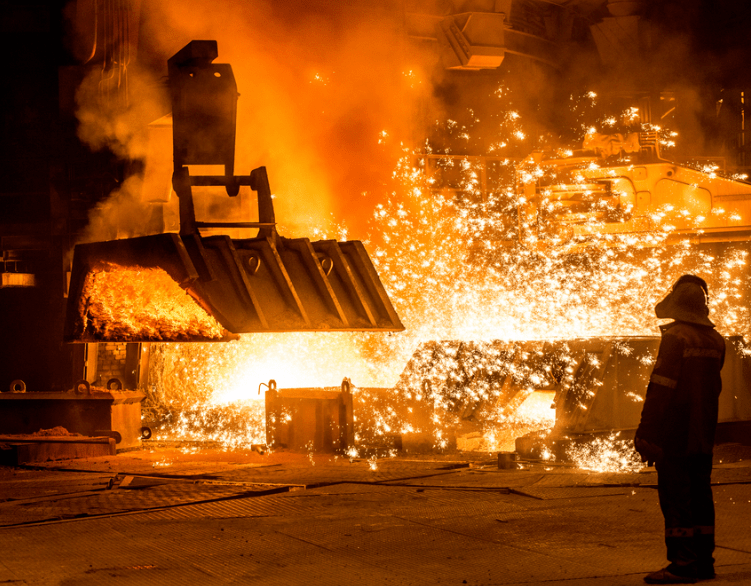
As the world’s third-largest producer of steel and vehicles, Japan has begun offering subsidies for clean energy vehicles (CEVs) produced using low-emission steel. The Ministry of Economy, Trade, and Industry (METI) revealed that it will provide subsidies of JPY 50,000 (approximately USD 330) for CEVs made from low-emission steel. This new incentive is in addition to consumer subsidies introduced last year, which can go up to JPY 850,000 for electric vehicles and JPY 550,000 for plug-in hybrid vehicles.
According to Matt Pollard, an analyst at the clean energy consultancy Climate Energy Finance, METI will determine subsidies based on the share of green steel used by car manufacturers, evaluating applications for low-emission steel supply. Pollard stated, “It is crucial for METI to clearly define carbon accounting methodologies and green product definitions to determine which manufacturers will benefit from the subsidies.”
Transformation Required in Japan’s Steel Sector
Japan’s steel industry produces about 85 million tons annually and relies heavily on coal-based blast furnaces. This has made Japan’s steel industry more emissions-intensive compared to countries like the US, EU, and China, which have more electric arc furnace capacity. While the new incentives are expected to guide steel producers toward transformation, the question remains which technologies will play a decisive role in this process.
Alternatives for Green Steel Production
Hydrogen-based direct reduced iron (DRI) and hot briquetted iron (HBI) are emerging as key alternatives for green steel production. However, Japan faces challenges in producing green hydrogen due to limited renewable energy resources. Additionally, the logistics of liquefying and transporting hydrogen make import options less viable.
Another alternative is increasing the use of electric arc furnaces. However, this requires high-quality iron ore, and there is uncertainty about how well Japan's existing raw material supply chain can adapt to this transition.
Japan’s new incentives support the shift to low-emission processes in steel production. However, the methods that the sector will adopt and the pace of the transformation will become clearer in the coming period.




Comments
No comment yet.