


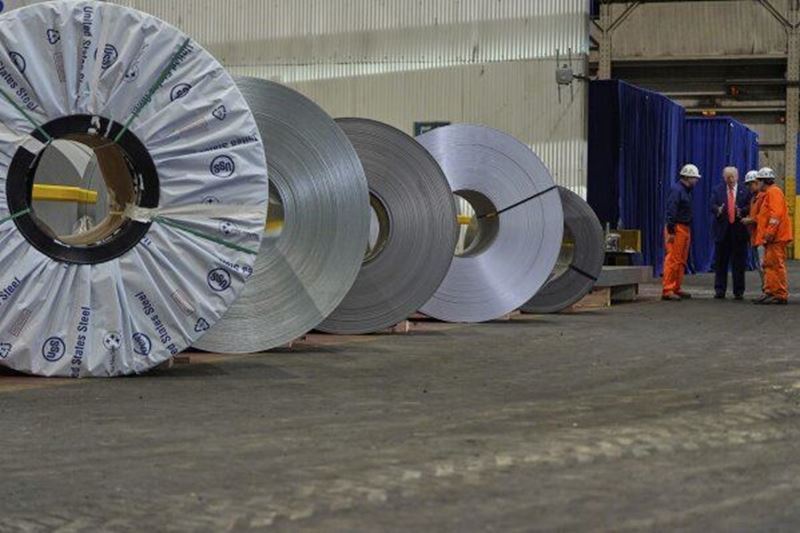
It was reported that the majority of the companies under investigation operate in the steel and construction materials sectors.
Speaking at a press briefing at the Ministry’s headquarters, Finance Minister Purbaya Yudhi Sadewa stated that a significant portion of these companies sold products directly to customers in cash without properly recording sales transactions, thereby avoiding the payment of value-added tax (VAT). Sadewa emphasized that such practices have led to substantial losses in state revenues.
According to ministry sources, a whistleblower has indicated that tax losses in the steel sector alone could exceed 4 trillion Indonesian rupiah per year (approximately USD 260 million).
The investigation is not limited to allegations of tax evasion; it also covers widespread under-invoicing practices in customs procedures. Some exporters are suspected of declaring goods at nearly half of their actual value in order to reduce tax liabilities.
Alongside the investigation, the government is accelerating internal institutional reforms. In this context, the structures of both the Directorate General of Taxes and the Directorate General of Customs and Excise will be reviewed. Minister Purbaya noted that strict sanctions could be imposed on officials or units that fail to deliver performance improvements.
The Indonesian Ministry of Finance had previously launched the restructuring process of the Directorate General of Taxes through Regulation No. 117 of 2025, aiming to complete the reforms by 31 December 2026.
Officials stated that these measures are intended to create a transparent, fair, and auditable business environment for all stakeholders, including foreign investor companies. The reform process was underscored as being of critical importance for improving tax compliance and safeguarding state revenues.





Comments
No comment yet.