


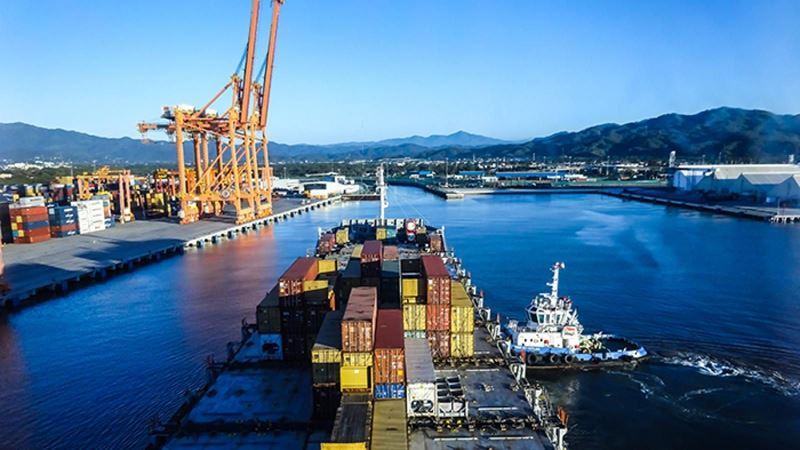
India has accelerated its diplomatic and trade efforts against Mexico’s plan to increase customs duties on imports from countries without an existing free trade agreement. Seeking to limit the impact of the new tariffs, the New Delhi administration has put forward a PTA proposal to Mexico in order to protect exports worth billions of USD.
International media sources report that officials from India’s Ministry of Commerce and Industry and Mexico’s Ministry of Economy have recently held online consultations. It is noted that the parties have initiated initial working-level contacts toward a potential FTA. This move came just ahead of Mexico’s plan to impose customs duties of up to 50% on imports from countries without a free trade agreement. The policy is expected to enter into force next month.
Officials emphasize that negotiating a comprehensive FTA would take a considerable amount of time, while a PTA could offer a faster and more flexible solution by providing selective tariff reductions for a limited range of products. Indian decision-makers view the PTA option as the most realistic way to prevent short-term disruptions in trade.
Earlier this month, the Mexican Senate approved regulations that would impose higher customs duties on imports from countries without an FTA with Mexico, including India, China, and South Korea. Mexican officials describe the move as an effort to strengthen domestic industry, protect employment, and address trade imbalances. However, analysts caution that the decision could also have broader geopolitical implications.
Observers note that Mexico’s tariff initiative is closely linked to the review of the United States–Mexico–Canada Agreement (USMCA), which is scheduled for 2026. Mexico is assessed to be increasing tariffs on countries without an FTA to strengthen its position within the North American trade bloc and to demonstrate alignment with US trade priorities.
For India, the scale of the risk is significant. According to government estimates, Indian exports worth approximately USD 2 billion could be affected by the new tariffs, particularly in automobiles and auto parts, textiles, and non-metallic minerals. Automotive manufacturers and parts suppliers that are heavily dependent on the Mexican market are expected to face increased pressure on pricing and competitiveness if the measures are implemented.





Comments
No comment yet.