


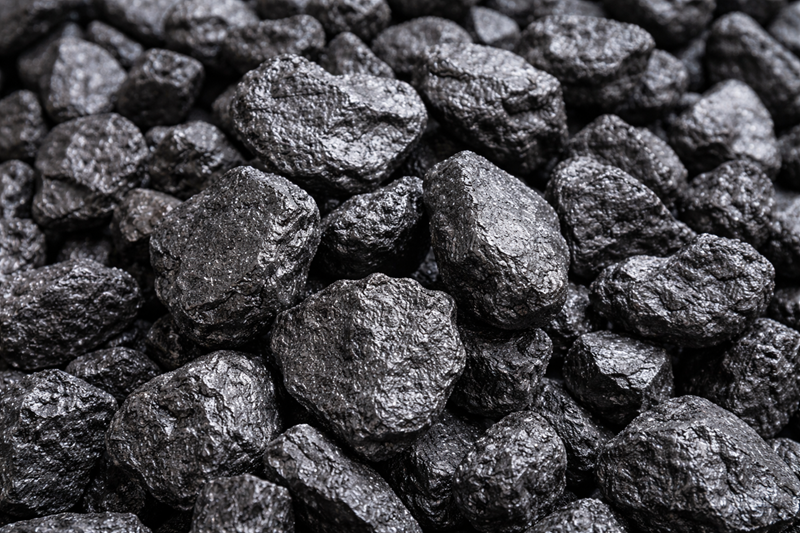
As part of structural reforms in the mining sector, the central government amended the Mines and Minerals (Development and Regulation) Act of 1957 (MMDR Act) to include coking coal under this classification.
The decision was taken in line with the recommendations of the High Level Committee on the implementation of the Viksit Bharat objectives and policy assessments conducted by NITI Aayog.
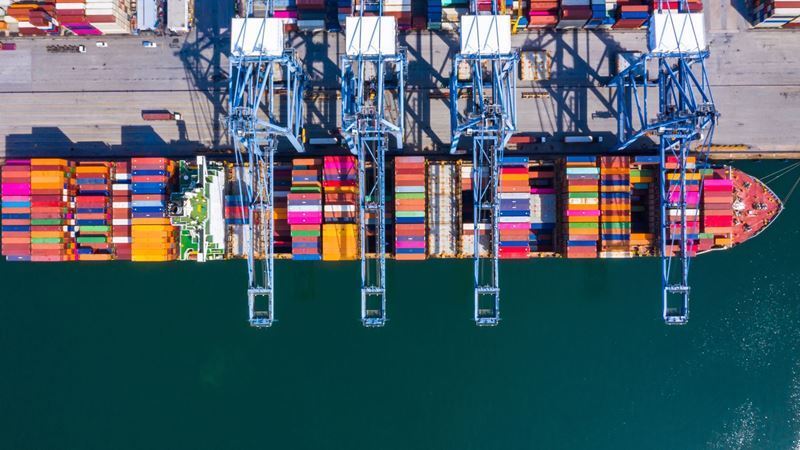
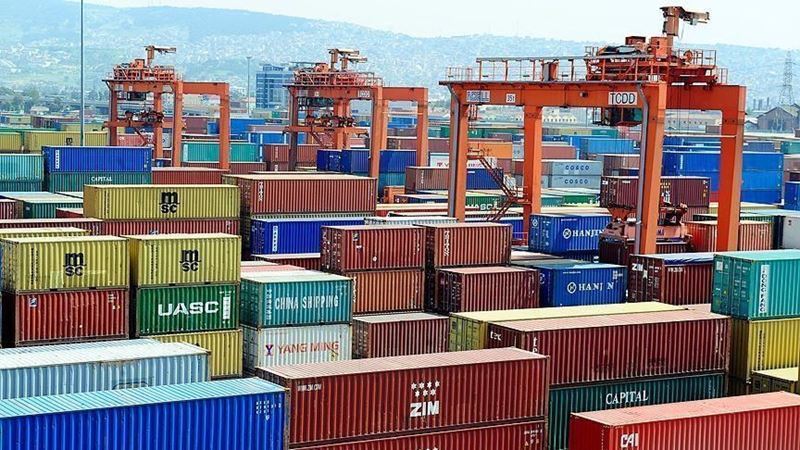
India’s estimated coking coal reserves stand at 37.37 billion tonnes, with the majority located in Jharkhand. Significant reserves are also found in Madhya Pradesh, West Bengal, and Chhattisgarh. Despite this resource base, the country remains highly dependent on coking coal imports. Import volumes increased from 51.20 million tonnes in the 2021 fiscal year to 57.58 million tonnes in the 2025 fiscal year. Approximately 95 percent of the steel sector’s coking coal requirement is currently met through imports.
Projects classified under critical minerals will be exempt from public consultation requirements and structured to encourage private sector investment. The use of degraded forest land for compensatory afforestation will also be permitted.
Officials emphasized that the reform will reduce import dependence, strengthen supply chain security in the steel sector, and support the objectives of the National Steel Policy. The regulation is also expected to increase employment across mining, logistics, and the steel value chain, while accelerating private investment in exploration and beneficiation activities.



Comments
No comment yet.