


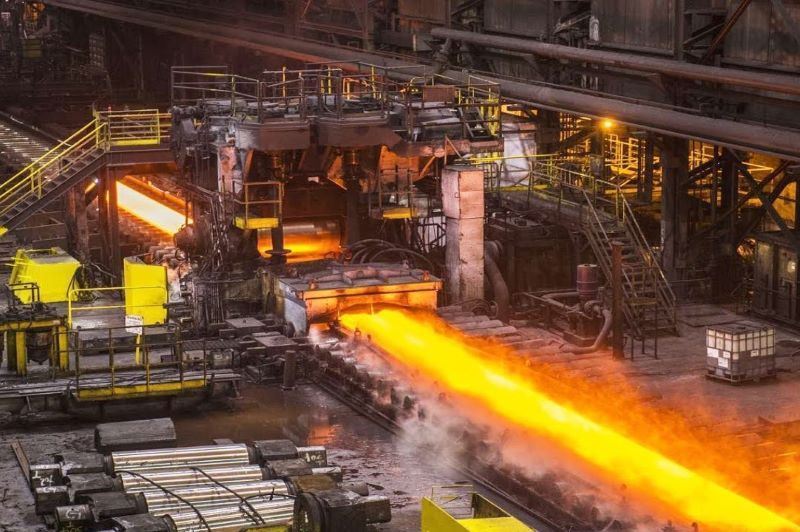
After the Industrial Revolution that took place in the 18th century, iron and steel products started to be produced in bulk in factories. From that time until today, bulk production of iron and steel is carried out with three main methods developed: OHF (Open Hearth Furnance), BOF (Basic Oxygen Furnaces), and EAF (Electric Arc Furnace) methods.
OHF
It is also known as the Open Hearth or Bessemer method. With the impact of new developing technologies today, the use of this method has decreased. In our country, production is not carried out using the OHF method. Worldwide, facilities using this method are transitioning to faster and higher production quantity technologies, such as the EAF or BOF methods.
BOF
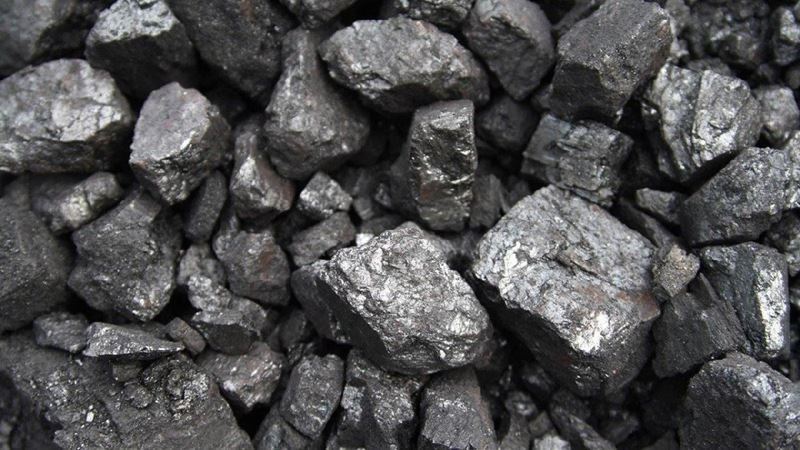
Iron ore and coking coal are used as raw materials. These raw materials are melted in high-temperature furnaces to produce steel. This production method is generally used in integrated facilities. Nowadays, countries that prefer iron and steel production with the BOF method also have rich resources of iron ore and coking coal.
EAO
Scrap iron is used as the raw material. The scrap is melted using electrical energy and converted into steel. The organizations that use this production method are called EAF Facilities. It is preferred due to its low initial setup and production costs, the richness of scrap compared to other raw material sources, and also because it causes less environmental damage.
How is rebar produced?
Rebar is produced by adding certain chemicals to ore or scrap iron melted at temperatures ranging from 1420 to 1470 degrees Celsius. There are two methods of producing rebar:
1- Cold Rolling Method: It is produced by drawing or bending at low temperatures. Steel durability mostly increases after the cooling process, but deformation capacity decreases.
2- Hot Rolled Steel Method: Large facilities and investments are required for this type of steel production. Also, the carbon, nickel, silicon, magnesium, chromium, and vanadium ratios are adjusted to obtain the desired structure of the produced steel."




Comments
No comment yet.