


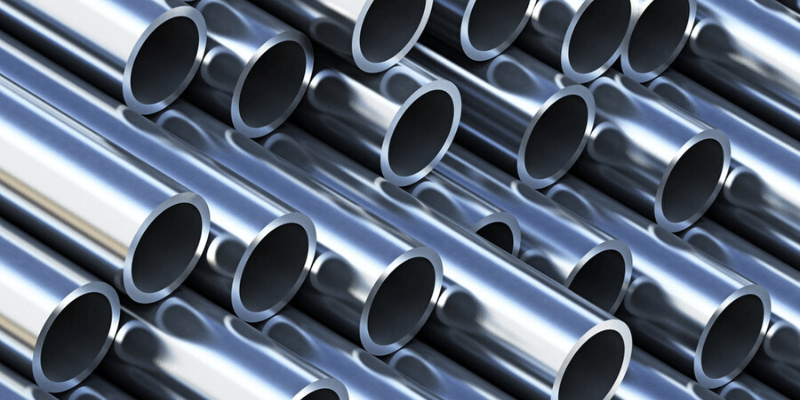
Sources emphasize that while it is technically possible to produce products of the same quality domestically, the truly critical factors in these product groups are continuity of supply, maximum performance at minimum cost, and stringent certification requirements. In particular, the high level of dependence on imported raw materials and semi-finished products increases domestic production costs, making imports a more rational and attractive option for certain product categories.
Among the main product groups for which Türkiye remains import-dependent, oil and natural gas pipes stand out. API 5CT–standard casing and tubing pipes, as well as premium-connection OCTG products, are predominantly sourced from Japan, South Korea, Germany, and the United States, as they require advanced metallurgy, licensed connection systems, and specialized threading technologies.
High-alloy and stainless steel pipes are also among the imported products. Duplex and super duplex pipes, along with nickel-alloy pipes, are mainly used in chemical, petrochemical, and offshore projects. In these products, international quality standards such as ASTM, EN, and NACE are decisive.
Nuclear-grade pipes, as well as special energy pipes resistant to high temperatures and radiation, are likewise supplied through imports due to the limited number of global producers and strict certification requirements. Similarly, high-pressure boiler and heat exchanger pipes used in power plants face limited domestic production capacity because of their thick walls and the need for tight tolerances.
Large-diameter seamless pipes, specially coated pipes used in offshore and subsea applications, and next generation pipes designed for hydrogen and carbon capture projects are also among the imported product groups. In these areas, both advanced technology and project specific standards play a key role.
Industry sources note that Türkiye has a strong production base in spiral-welded, ERW, and LSAW pipes, while dependence on imports continues for seamless pipes, premium OCTG products, and high-alloy specialty pipes.




Comments
No comment yet.