


The program, which brought together industry representatives, academics, and industrialists, comprehensively addressed the global competitive landscape of stainless steel, the Carbon Border Adjustment Mechanism (CBAM), and production infrastructure.
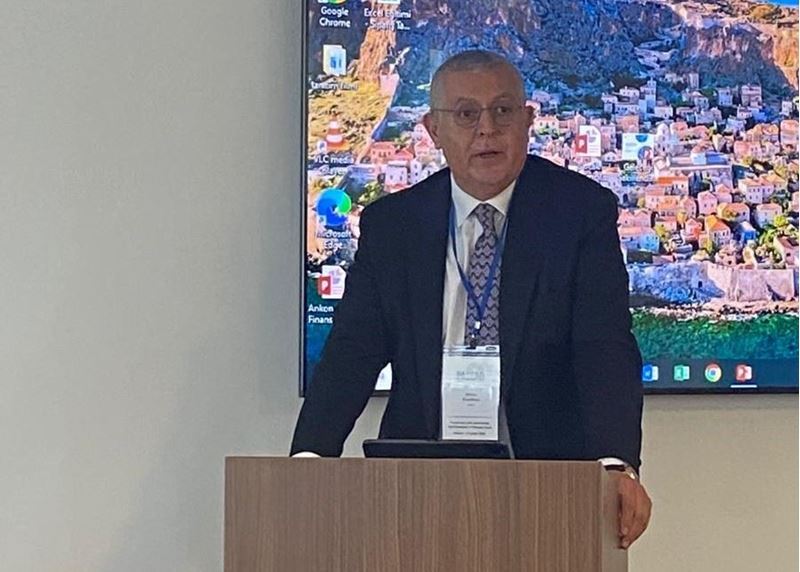
The opening speech of the meeting was delivered by Haluk Kayabaşı, Chairman of the Board of Stainless Steel Industry Association (PASSAD). Stating that they held the first of their regional meetings in the capital on behalf of the association, Kayabaşı noted that two years ago they set out with the goal of building a common platform of shared wisdom based on the sector’s needs. He emphasized that PASSAD’s primary objective is to strengthen the stainless steel industry, expand its use, and promote sustainability by generating solutions to the challenges faced by both producers and consumers.Kayabaşı underlined that stainless steel is inherently a 100% recyclable material, making it one of the key components of the green economy. He also stated that transformation would not be possible without cooperation between industry and the public sector. Furthermore, he added that the outcomes of the meeting would contribute to the Second National Stainless Steel Summit, which will be organized in cooperation with İstanbul Teknik Üniversitesi (İTÜ) in October 2026.
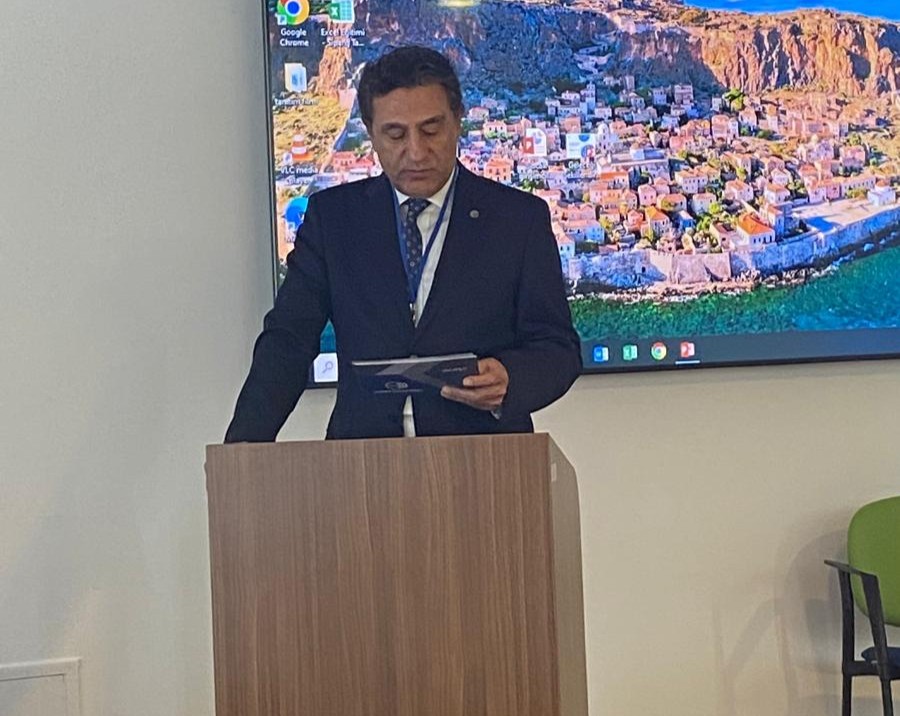
Speaking at the meeting, Levent Akçakoca, Member of the Board of Ankara Sanayi Odası, stated that competition is no longer shaped solely by price, as carbon management and security of supply have become decisive factors. He noted that the European Union’s Carbon Border Adjustment Mechanism (CBAM) has been progressing through a reporting phase since 2023 and that, as of this year, its financial dimension has become more visible. Akçakoca emphasized that this development affects all sectors in which stainless steel is used as an input.
Pointing out that approximately half of Türkiye’s exports are directed to EU countries, Akçakoca underlined that data quality, process-based verification, and traceability have become critical in terms of access to finance and market strength. Referring to data from World Stainless Association, he recalled that global stainless steel production increased by 7% in 2024, reaching 62.6 million tons. He stressed that Türkiye must take part in this race not only through production volume, but through low-carbon and high-standard manufacturing.As part of the program, Prof. Dr. Hüseyin Çimenoğlu, Faculty Member at İstanbul Teknik Üniversitesi and Chairman of PASSAD’s Education and R&D Commission, delivered a presentation titled “The Place of Stainless Steel in the World of Steel.” Çimenoğlu stated that steel is the most widely used engineering material worldwide and that, as of 2024, it has a trade volume of USD 1.5 trillion. He noted that approximately 50% of this market consists of structural steels, and pointed out that although carbon steel offers advantages such as high strength and formability, it is susceptible to corrosion.Drawing on historical examples, Çimenoğlu highlighted that the Eiffel Tower, built in 1889, has remained standing thanks to regular maintenance. He also stated that the annual maintenance costs of highway bridges in the United States range between USD 3.5 and 6 billion, emphasizing the economic impact of corrosion.
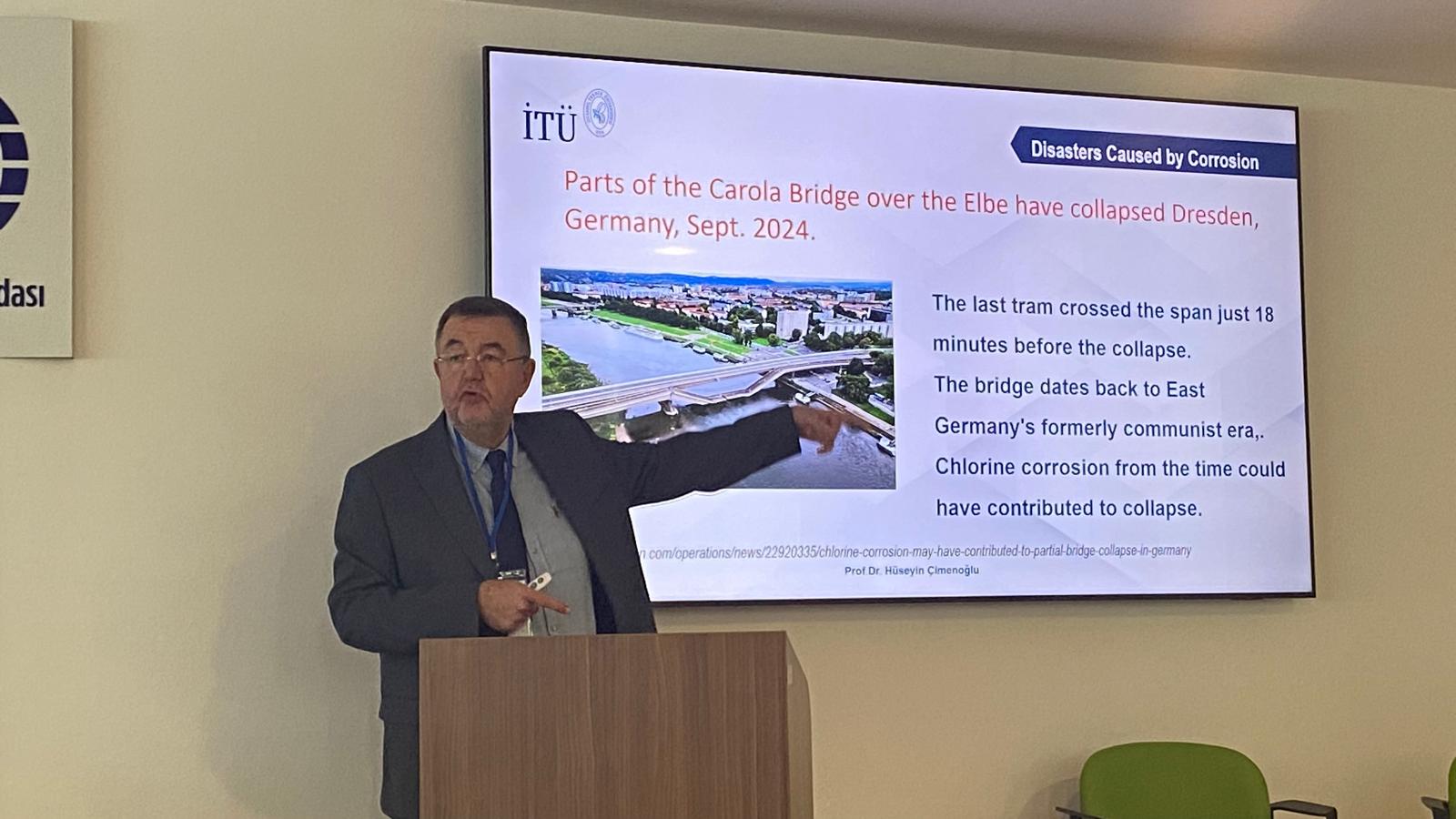
Çimenoğlu recalled that stainless steel emerged as a result of efforts to develop oxidation-resistant steel during the First World War. Over time, he noted, it has found a broad range of applications from the cutlery industry to heavy industry. Emphasizing its resistance to corrosion, Çimenoğlu stated that stainless steel offers long service life and low maintenance costs, making it a strategic material in terms of high value-added production.
During the meeting, policy recommendations were also discussed regarding the financing of green transformation investments, strengthening domestic production capacity, and ensuring a fair competitive environment. Participants reached a consensus that the transformation of the stainless steel sector is not only an environmental necessity but also a strategic step for enhancing the competitiveness of Türkiye’s industry.
At the end of the meeting, Haluk Kayabaşı presented plaques of appreciation to the representatives of Session Sponsor Cronimet Türkiye and Catering Sponsor Güler custom consultancy for their contributions to the event. Kayabaşı also presented plaques to the speakers in recognition of their valuable contributions to the program.




Comments
No comment yet.