



As the European Union’s Carbon Border Adjustment Mechanism (CBAM) enters its final phase, preparations are accelerating across Türkiye’s industrial sectors.
Ankara Chamber of Industry President Seyit Ardıç said that as of 2026, exporters of CBAM-covered products to the EU—namely cement, iron and steel, aluminum, fertilizers, electricity, and hydrogen—will be required to report greenhouse gas emissions on a quarterly basis.
Ardıç warned that companies unable to submit complete and accurate emissions data could be viewed as a commercial risk by EU importers, describing the process as a de facto “compliance test” for industrial producers. He emphasized that firms must first determine whether their exported products fall under CBAM and, for covered goods, collect, calculate, and share facility-based emissions data with EU buyers.
Noting that reporting obligations will take on a financial dimension with the new year, Ardıç added that the requirement to purchase CBAM certificates for emissions will come into force. He cautioned that companies that fail to prepare may lose competitiveness in the EU market due to rising carbon costs, while stressing that CBAM should be seen not merely as a regulatory burden but as a strategic tool to accelerate green transformation. Highlighting the cement, metal, and foundry sectors—strongly represented in Ankara’s industry—Ardıç said emissions data management across the entire supply chain is becoming increasingly decisive. He added that initiatives, including TÜBİTAK’s Green Innovation Technology Mentorship Program (1831), are supporting companies’ preparedness.
Low-carbon advantage for the steel sector
Turkish Steel Producers Association Secretary General Veysel Yayan described CBAM as a critical turning point for cement, aluminum, electricity, steel, and fertilizer sectors.
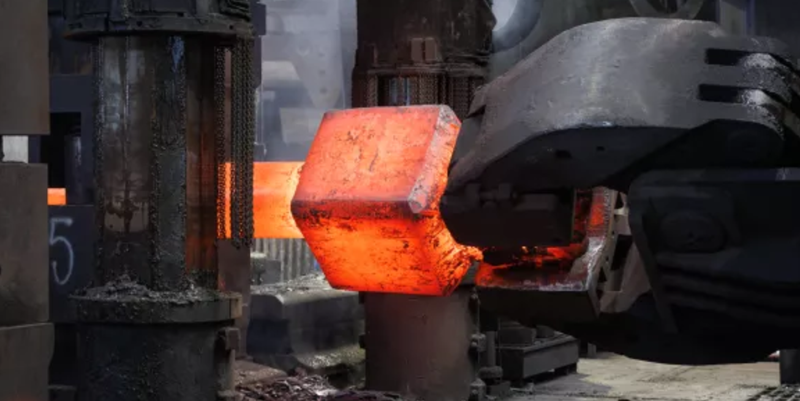
Recalling that Türkiye’s steel industry has long been integrated with the European market and exports a significant share to EU countries, Yayan said substantial investments have been made to comply with environmental regulations. He noted that CBAM marks a new phase in which the EU’s climate policies are more directly linked to trade, and emphasized that Türkiye stands out globally for its high share of electric arc furnace (EAF) steelmaking.
With around 70% of production based on EAF technology, Yayan said the Turkish steel sector has a lower carbon profile compared with countries relying on coal-based blast furnaces—an important competitive advantage under CBAM. However, he cautioned that as the transition period ends, stricter and more standardized reporting requirements could create additional costs for producers with limited technical capacity.
Yayan underscored the importance of using product-specific, verified emissions data under CBAM, arguing that default values should remain exceptional and temporary. Otherwise, even low-carbon producers could face unfair financial burdens.
Emphasis on competitive balance
Yayan also stressed that CBAM’s final implementation must be aligned with the gradual phase-out of free allocations under the EU Emissions Trading System. He warned that protecting EU producers while simultaneously imposing financial obligations on third-country suppliers could distort competition. Countries like Türkiye, which have a Customs Union relationship with the EU and deeply integrated industries, should have their specific circumstances taken into account, he added, cautioning against CBAM becoming a protectionist instrument.
Cost warning for cement
TÜRKÇİMENTO CEO Volkan Bozay said that if draft regulations enter into force as proposed, CBAM-related costs could increase by up to fivefold. He noted that reliance on default emissions values poses a higher-than-expected cost risk for the cement sector, emphasizing that accurate and reliable reporting of real emissions data—at both cement and clinker levels, on a plant-by-plant basis—is critical.
Source:AA




Comments
No comment yet.