


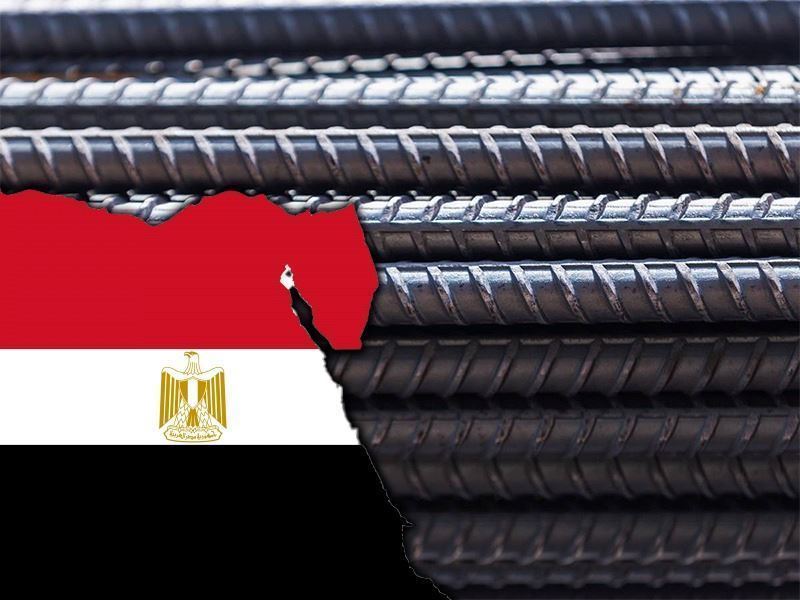
The latest data from SteelRadar reveals fluctuations in the prices of rebar manufactured by leading companies in Egypt, with some experiencing increases while others remain stable or decline. The price list for May and June highlights the evolving dynamics of the steel market, influenced by global economic factors, local demand, and supply chain pressures.
Ezz Steel raised its rebar price from EGP 38,000/MT (USD 767/MT) to EGP 38,200/MT (USD 769/MT), marking a marginal increase.
Suez Steel, Egyptian Steel, and Beshay companies also saw minor price hikes, aligning with the broader trend of inflationary pressures in the sector.
A significant number of manufacturers maintained their prices, reflecting a cautious approach amid uncertain market conditions. Companies such as El Marakby, Arco Steel, Al Garhy, and Al Ashry Steel showed no change in their pricing strategies.
Al Komy Steel recorded a substantial drop in price, falling from EGP 32500/MT (USD 653/MT) to EGP 32000/MT (USD 644/MT), indicating potential cost reductions or strategic pricing decisions.
Antar Steel experienced a decrease of EGP 300/MT (USD 3/MT), suggesting efforts to remain competitive in a fluctuating market.
Bianco saw a significant drop of EGP 800/MT (USD 8/MT), potentially due to changes in production costs or market demand.
The exchange rate between the Egyptian Pound (EGP) and the US Dollar (USD) remained relatively stable during this period. USD 1 = EGP 49.70
Despite the minor depreciation of the EGP, the impact on rebar prices appears minimal, as most changes were driven by internal factors rather than currency fluctuations.
The fluctuations in rebar prices are reflective of broader trends affecting the global steel industry. Rising raw material costs, transportation expenses, and geopolitical tensions have contributed to increased volatility. Additionally, local factors such as currency exchange rates and domestic demand play a crucial role in shaping pricing strategies for Egyptian manufacturers.
The mixed trends in rebar prices could influence construction projects across Egypt. Developers and contractors may face varying costs depending on their supplier choices, impacting project timelines and budgets.
The stability shown by some manufacturers suggests a focus on maintaining market share, while those increasing prices might be responding to higher input costs or anticipating future demand growth.
Government policies and regulations regarding steel imports and exports could further shape these price movements, as Egypt seeks to balance domestic production with international trade.
Price Inc.14 % Vat
.jpeg)




Comments
No comment yet.