


The rise in the USD/EGP exchange rate from 48.00 to 50.00 over the past 72 hours represents a devaluation of approximately 4.1%, intensifying existing economic and inflationary pressures. This volatility is causing disruptions in supply chains and driving up product prices.
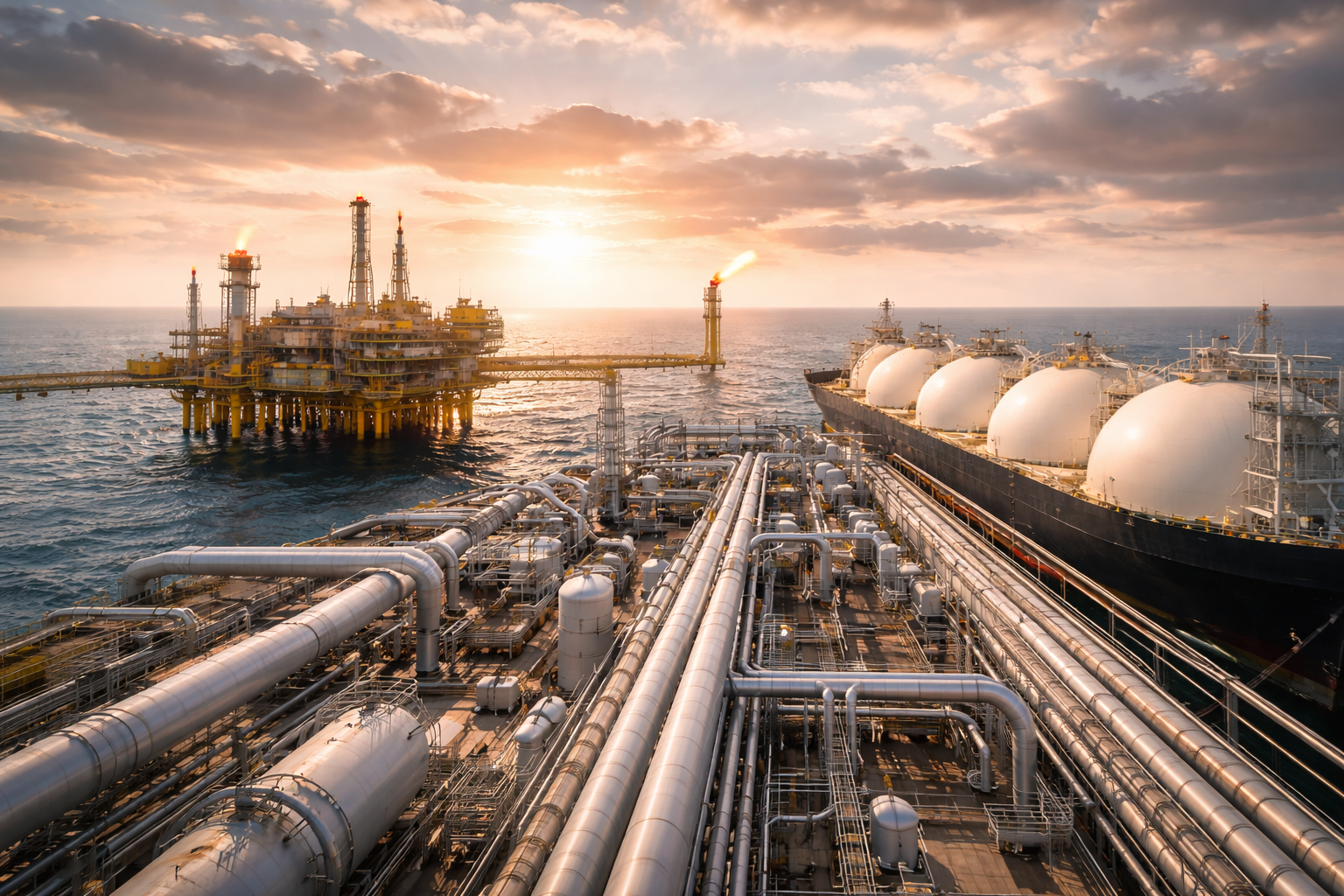
Egypt currently meets the majority of its natural gas demand through imports from Israel, specifically from the Leviathan and Tamar fields. These imports are critical both for covering domestic energy shortages and for facilitating re-export operations as LNG.
According to intelligence gathered by SteelRadar, regional tensions and the risk of supply interruptions are compelling Egypt to diversify its energy sources. To this end, the country aims to reduce its reliance on Israel by securing new agreements with LNG suppliers such as Qatar. Furthermore, by combining domestic production notably from the Zohr field with imported gas, Egypt continues to pursue its strategic goal of serving the European market via the Idku and Damietta LNG terminals.
A source speaking to SteelRadar indicated that while Egypt continues to source natural gas from Israel and, to a lesser extent, Qatar, the country is currently relying heavily on a significant number of LNG shipments from the United States. The source further confirmed that the government’s decision to halt gas exports to Syria and Lebanon was implemented following the outbreak of the conflict. Additionally, it was noted that domestic production currently covers at least two-thirds of the country’s total energy requirements.



Comments
No comment yet.