


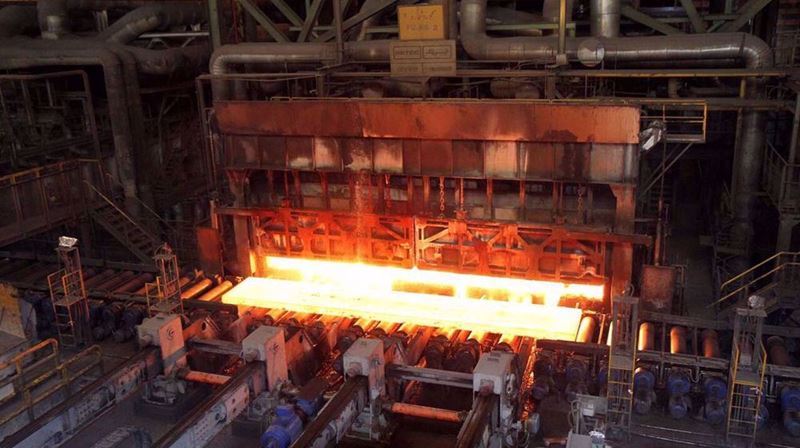
By subsegments, basic oxygen steel production decreased by 3.4 percent on a yearly basis to 1.90 million mt. Electric arc furnace steel output recorded a more limited decrease of 0.7 percent to 0.94 million mt. Liquid pig iron production also decreased by 1.0 percent to 1.87 million mt. In contrast, hot rolled steel products production showed a marginal increase of 0.4 percent, reaching 2.50 million mt.
In the January to November 2025 period, the overall picture weakened further. Germany’s total crude steel production decreased by 9.3 percent compared to the same period of previous years, standing at 31.35 million mt. During the same period, basic oxygen steel production recorded an 11.6 percent decrease, while pig iron production declined by 10.7 percent.
Production fails to reach 40 million mt for the fourth year
Current forecasts for full year 2025 indicate that crude steel production in Germany will be around 34 million mt. This means output will remain clearly below the 40 million mt level, which is considered the minimum threshold for adequate capacity utilization, for the fourth consecutive year. As a result, the overall outlook for the sector remains extremely negative.
According to experts, the main drivers behind this weak outlook include rising import pressure in the EU steel market and persistently high energy costs. The market share of steel imports into the EU has reportedly increased to around 30 percent, further intensifying competitive pressure on domestic producers.
“These figures are a clear warning signal”
Kerstin Maria Rippel, chief executive officer of the German Steel Federation, described the latest decline in production as a serious warning for the sector. She stated that the production figures clearly demonstrate the dramatic inadequacy of location conditions for the steel industry in Germany. She emphasized that the continued increase in import pressure in the European steel market is placing severe strain on the entire industry.
Call for urgent action at EU level
In view of the current situation, Rippel underlined the need for swift and decisive action at the European level. She stated that the proposal submitted to the EU Commission for a highly effective protective instrument against foreign steel trade must be implemented without delay or dilution. Emphasizing the urgency, she noted that the dramatic situation cannot wait until the middle of the coming years and that the monthly downward data show every week is critical.
At a time when declining production, rising costs and increasing import pressure are deepening simultaneously in the German steel sector, trade and industrial policy measures at the EU level in the coming months are expected to be decisive for the future of the industry.

Comments
No comment yet.