


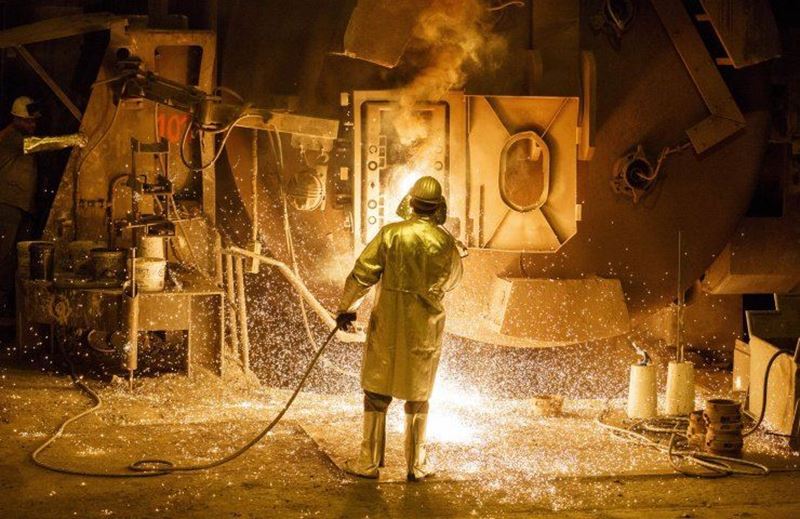
The country, which is the world’s largest steel producer and consumer, aims to continue its policy of keeping production growth under control.
In line with policies to limit carbon emissions, China halted growth in crude steel production in 2021. Production restrictions have also been prompted by the long-standing slowdown in the real estate market, which has weakened domestic demand, and by the deepening issue of excess capacity in the sector.
In a statement by China’s National Development and Reform Commission (NDRC), it was noted that “the raw materials industry, including steel, is currently facing an imbalance between supply and demand.” The statement emphasized the need to deepen supply-side reforms during the 15th five year plan covering 2026–2030 and indicated that the “weeding-out process” in the sector will be accelerated.
Meanwhile, since 2023, China’s steel exports have remained strong, partially offsetting the decline in domestic demand. However, low priced Chinese products have prompted protective measures in many countries, as they were deemed harmful to local producers. An increasing number of countries have begun imposing trade barriers on Chinese steel.
In response to these developments, Chinese authorities announced on December 12 that they will take a new step in the steel sector by introducing a licensing system from 2026 for the export of approximately 300 steel related products.


Comments
No comment yet.