


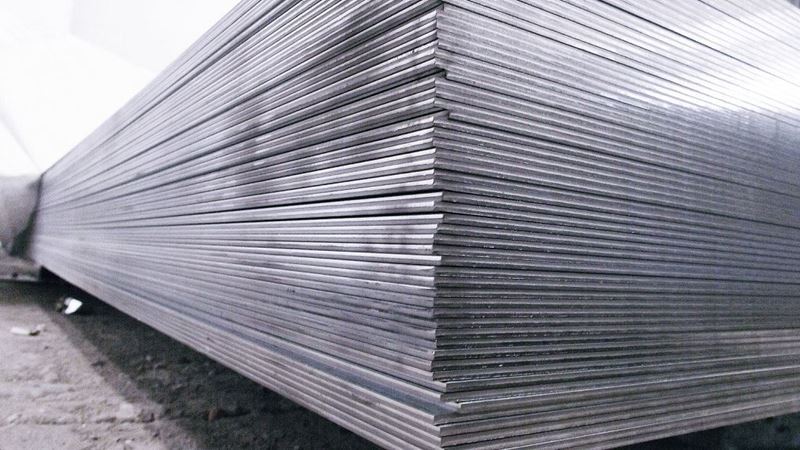
The government, through the Executive Management Committee of the Foreign Trade Chamber (Gecex-Camex), decided to impose anti-dumping measures on the products in question for up to five years. The measure entered into force through a decree published in the Official Gazette by the federal government.
The process was initiated following a complaint filed in 2024 by the Minas Gerais State Federation of Industries (Usiminas), which requested the launch of an investigation into unfair trade practices by Chinese companies. In recent years, many steel producers in Brazil have stated that they have been under intense competitive pressure due to the rapid increase in imports from China and have therefore been forced to scale back their investments.
Instituto Aço Brasil, which represents the sector, welcomed the government’s decision. In its statement, the organization described the move as an important step toward strengthening the trade defense system in order to prevent predatory steel imports. It emphasized that in 2025, rolled product imports increased by 20.5% to reach 5.7 million tons, 63.7% of which came from China. The association also stressed the need to remain vigilant against the rapid entry of Chinese steel into the Brazilian market.
In its statement, the organization reiterated its concerns over persistently high import levels, noting that steel volumes entering the country and the unusual reasons behind this inflow should be continuously monitored.
While the steel sector maintains a cautious stance in light of current developments, mining companies are painting a more positive picture. China is the largest buyer of Brazilian iron ore. Marcelo Bacci, Vice President of Finance at Brazilian mining company Vale, stated in his assessment of the fourth-quarter results that relations between Brazil and China have recently been progressing in a very positive direction.





Comments
No comment yet.