


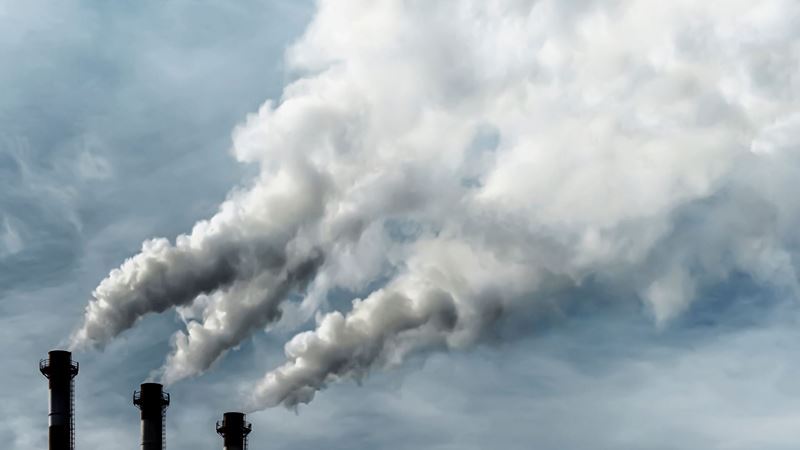
The Greenhouse Gas Emission Tax Law and the Carbon-Intensive Product Import Tax Law, adopted by the National Assembly, foresee a CO₂-equivalent tax of EUR 4 per ton as of January 1. Both regulations also cover nitrous oxide (N₂O) and perfluorocarbon (PFC) emissions.
Following the vote in which the opposition’s proposed amendments were rejected, some secondary regulations still need to be prepared for the new legislation to be implemented.
It comes into effect at the same time as CBAM
On the same date, the EU will also begin applying the CBAM carbon tax on imports from sectors such as electricity, cement, fertilizers, iron and steel, aluminum, and hydrogen. If there is an existing emissions pricing system in the country of origin and the EU recognizes it, the relevant amount will be deducted from the CBAM calculation.
While Serbia’s domestic emissions tax is positioned as a response to the EU’s border tax, the import tax establishes a parallel mechanism. Under the domestic system, large and medium-sized industrial facilities will be required to obtain emission permits and report their annual data to the Ministry of Environmental Protection. It is reported that 50 companies hold permits for 92 facilities in the country.
Approximately 57% of production-related emissions come from sectors such as synthetic fertilizers, cement, pig iron, steel, ferroalloys, aluminum, and electricity.
Due to technical limitations, the Carbon-Intensive Product Import Tax Law does not cover electricity imports. The tax will apply to companies importing at least five tons of the relevant products per year. Companies will be taxed based on the emissions generated during the production of the imported products, but they can benefit from certain deductions if an emissions tax has already been paid in the country of origin. Serbia is estimated to import around 3.5 million tons of carbon-intensive products annually.




Comments
No comment yet.