


The company’s CEO, Dilip Oommen, emphasized that the expansion strategy is based on enlarging the Hazira plant in Gujarat and establishing a new greenfield facility in Andhra Pradesh.
In the first phase, AMNS India will increase Hazira plant’s capacity to 15 million tons next year, and then target 18 million tons. Simultaneously, a new steel plant with an annual capacity of 8.2 million tons is being built in Rajayyapeta, Anakapalli, Andhra Pradesh, expected to start operations around 2030.
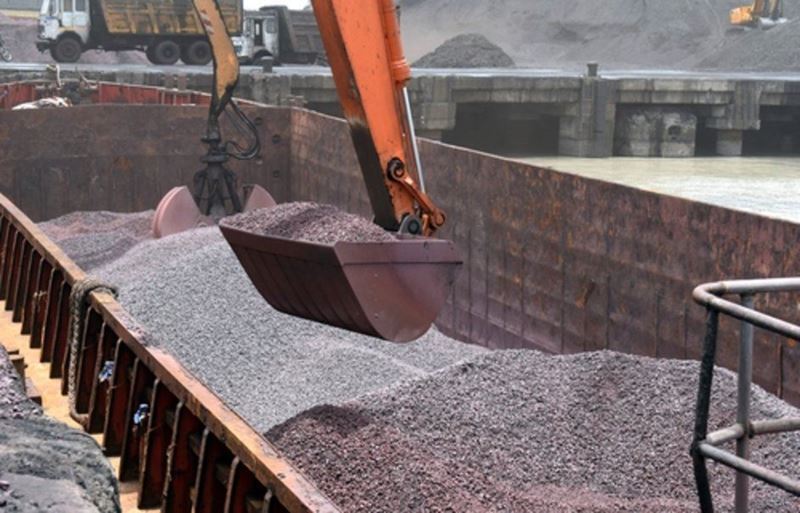
The expansion will require an investment of 55,000–60,000 crore rupees between fiscal years 2026–2028. The investment will not only increase production capacity but also strengthen raw material and logistics infrastructure. Pellet production capacity in Odisha and Andhra Pradesh is planned to rise to around 12 million tons, with additional investments in ports and mining assets.
AMNS India plans to develop approximately 7 gigawatts of renewable energy capacity by 2032 in line with its sustainability goals. This step aims to reduce energy costs and decrease the carbon footprint. Crisil has assigned a long-term AA+ credit rating to the company, citing its financial strength. For fiscal 2025, the company expects revenues of around 51,100 crore rupees and EBITDA exceeding 5,000 crore rupees.
However, the sector still operates in a challenging environment. High iron ore prices and decreasing steel prices are compressing profit margins. While AMNS India meets a significant portion of its iron ore requirements from its own mines, increased production capacity is expected to raise reliance on external sources.
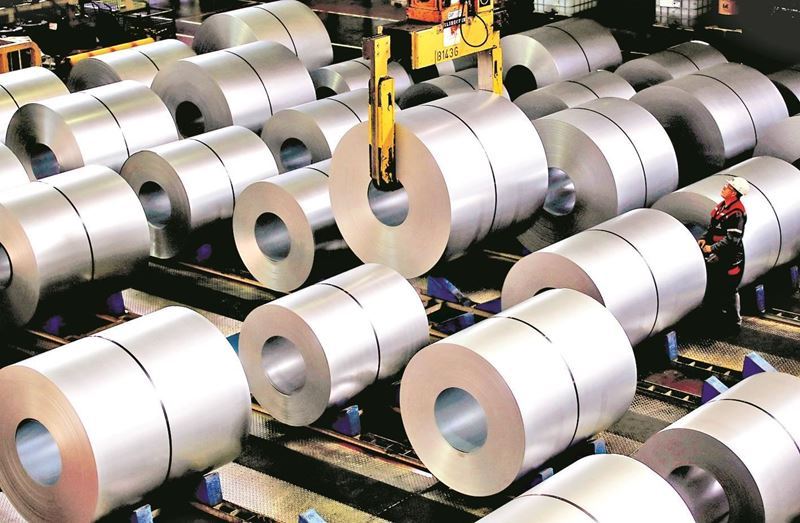
The company will focus on flat steel products used in automotive, consumer electronics, and industrial manufacturing. This strategy will differentiate it from competitors such as Tata Steel, JSW Steel, Jindal Steel, and SAIL, while strengthening its supplier position in high-growth sectors.
AMNS India’s expansion plans will significantly increase India’s domestic steel production capacity and support growth in automotive, infrastructure, and durable consumer goods sectors. Its success will depend on cost management, raw material sourcing, and the ability to overcome market and policy hurdles. The company believes India’s steel demand will overcome short-term challenges, making the next decade a defining period.





Comments
No comment yet.