


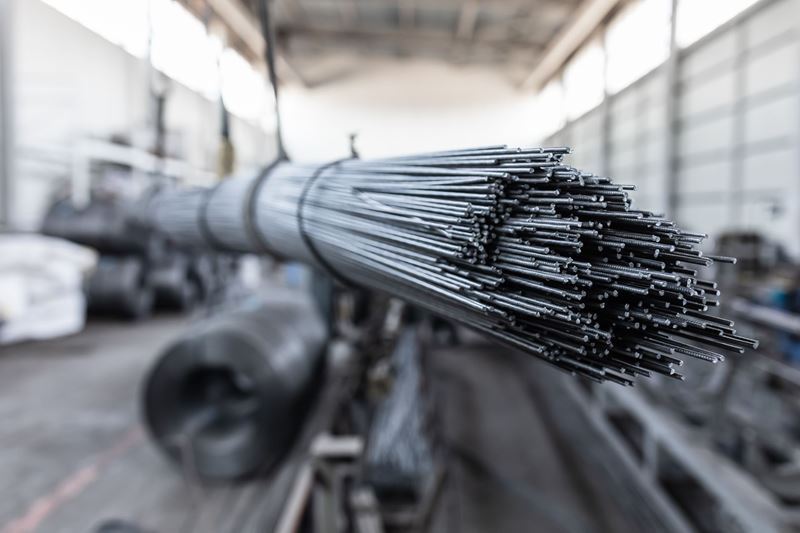
The Aegean Iron and Non-Ferrous Metals Exporters' Association maintained its leadership position with USD 175 million in exports.
The Aegean Region recorded USD 2.515 billion in exports in February. Two free zones based in İzmir contributed USD 308 million to the city’s total exports.
In November, İzmir alone accounted for 55% of the Aegean Region’s exports, reaching USD 1.405 billion.
In February, Denizli exported USD 388 million, Manisa USD 357 million, Muğla USD 102 million, and Balıkesir USD 88 million.
Meanwhile, Aydın generated USD 77 million in foreign exchange earnings in February. Exports from Afyonkarahisar totaled USD 39 million, Kütahya USD 30 million, and Uşak USD 24 million.
“It Would Not Be Surprising to See a Slowdown in Export Growth and Declines in Some Sectors”
Jak Eskinazi, Coordinator Chairman of the Aegean Exporters' Associations', stated:“In February, we exported to 183 countries and regions, increasing our exports to 105 of them. Germany ranked first with USD 147 million, marking a 6% increase the United States followed with USD 120 million; and Italy ranked third with USD 110 million, posting a 37% increase.Exports to the European Union increased 10% to USD 708 million; to the Americas reached USD 166 million; to Asia and Oceania increased 21% to USD 122 million; to Africa totaled USD 100 million; to other European countries increased 11% to USD 89 million; to former Eastern Bloc countries increased 9% to USD 96 million; to Free Zones increased 19% to USD 31 million; and to the Turkic Republics reached USD 25 million.Despite the limited increases recorded in February, the current picture must be interpreted cautiously. Weak global demand, stagnation in the European market, high financing costs, and an exchange rate that is not competitive enough against inflation are seriously eroding exporters’ profitability. Although the growth figures appear positive, it is becoming increasingly difficult to speak of sustainable growth for sectors struggling under cost pressures.Particularly in labor-intensive industries, shrinking margins are negatively affecting production appetite and investment decisions. Unless access to financing is eased and swift steps are taken to support competitiveness, it would not be surprising to see export growth slow further and even declines in some sectors in the coming months.”



Comments
No comment yet.