


Declining Global Steel Production
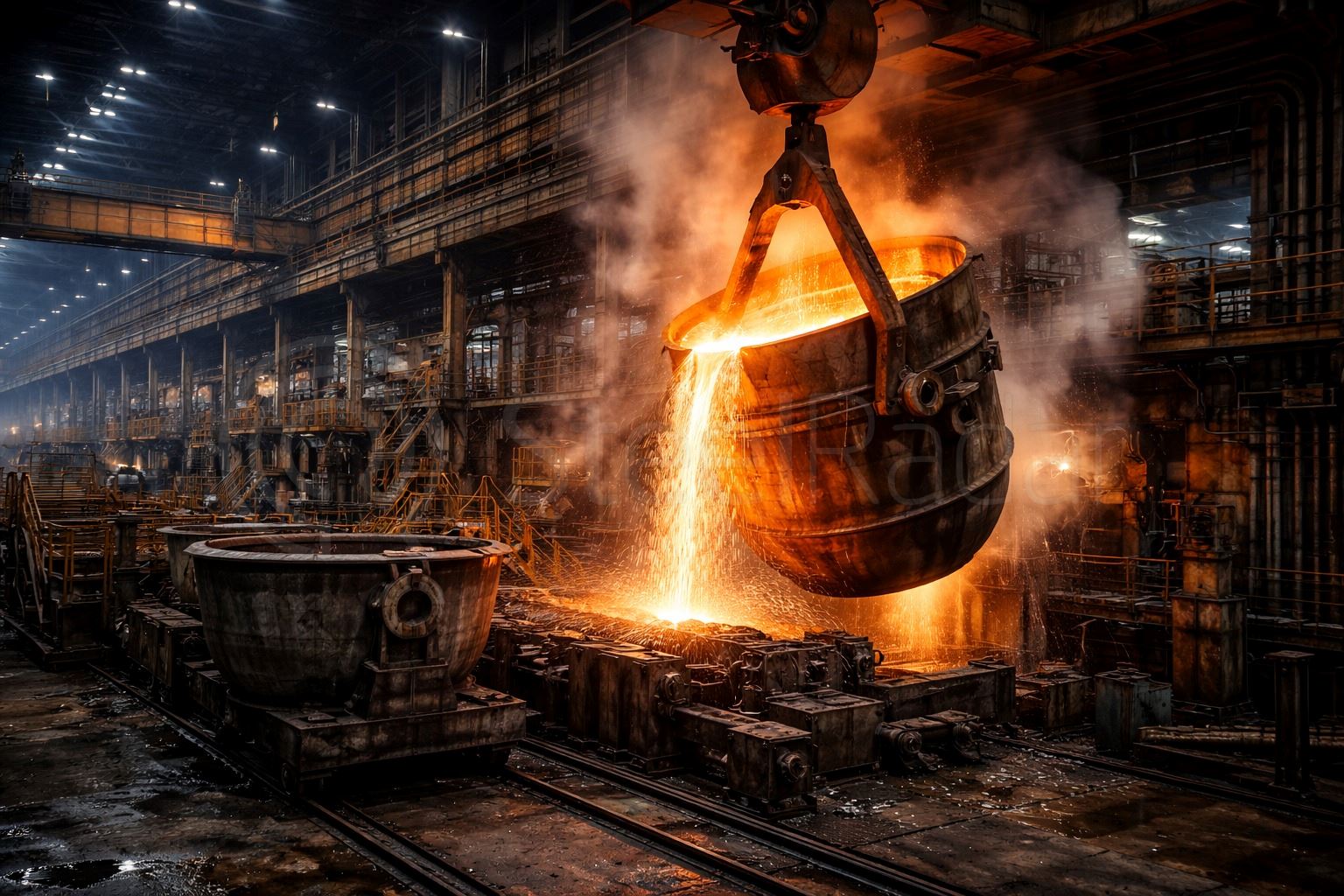
Global steel production is trending downward, including in China. According to forecasts published in October 2025, worldwide steel output for 2025 is expected to decline to approximately 1.75 billion tonnes, compared with 1.8826 billion tonnes in 2024. This reflects a broader slowdown in global steel demand rather than a short-term fluctuation.
China: Weaker Domestic Demand and Rising Export Pressure
China remains the central driver of global steel demand, but domestic consumption has fallen significantly. There are currently no clear prerequisites for a recovery to 2019 demand levels in the coming years, even when accounting for the growing share of machinery and engineering exports.
At the same time, China is supplying the global market with more than 100 million tonnes of low-priced steel products across various segments, placing sustained pressure on international prices.
The prolonged weakness of China’s real estate sector continues to weigh heavily on steel consumption. As an indirect indicator of this trend, IKEA announced the closure of seven large-format stores in China due to weak demand (Bloomberg, January 7).
Iron Ore Market Enters a Lower-Price Phase
The global iron ore market is moving toward a period of structural oversupply. Medium-term projections for 2026–2030 indicate that supply may exceed demand by 20–40 million tonnes per year.
Large-scale mining projects contribute to this outlook. By 2030, the Simandou deposit alone could add approximately 120 million tonnes of iron ore, which is significant for the overall market balance.
As a result, long-term price expectations for iron ore are gradually shifting toward a USD 75–90 per tonne range in the early 2030s. Forecasts remain subject to regular revision as assumptions on demand growth, new capacity, and regional consumption change.
Sanctions, Trade Wars, and Anti-Dumping Measures
Sanctions and trade restrictions have become a permanent feature of the global steel market. Major Russian steel producers remain under sanctions, while access to the European market is largely closed, complicating exports and reducing profitability, particularly under a strong ruble.
Unpredictable tariff measures, often referred to as “Trump tariffs,” have also disrupted trade flows in a number of regions due to their sudden introduction and uncertain scale.
Globally, the number of active and extended trade-restrictive measures has exceeded 1,000 product-specific cases, including anti-dumping duties, quotas, and import bans. Approximately 70% of these measures target imports from China. The pace of new restrictions continues to accelerate, with additional protective measures expected in Central Asia.
Growing Protectionism and Export Controls
As steelmaking capacity expands in Southeast Asia, the Middle East, and Africa, governments are increasingly introducing protective measures to defend domestic producers. Anti-dumping duties and import restrictions are becoming more widespread.
China has also taken steps to regulate exports through export licensing, aimed at reducing low-margin shipments of semi-finished products. Domestic trading in these products often occurs at negative margins, prompting state efforts to limit sector-wide financial losses.
In parallel, China has updated its state program for industry regulation, with a focus on addressing overcapacity and stabilizing the financial position of the steel sector.
Persistent and Expanding Overcapacity
Despite long-standing warnings from international organizations, global steelmaking capacity continues to grow. Estimates indicate that excess steelmaking capacity increased from around 550 million tonnes (based on 2022 data) to nearly 650 million tonnes by 2025.
Capacity growth in downstream processing segments is even less controlled. In several markets, large traders have effectively become producers, while major steelmakers have expanded their own trading houses, service centers, or acquired large distributors.
Major investment projects remain underway across the region:
-
Russia: Construction of a new rail-and-beam mill (1 million tonnes) and a pelletizing plant with a capacity of approximately 10 million tonnes
-
Uzbekistan: A new 1 million tonne hot-rolled coil mill, nearing completion and expected to start operations in 2026
-
Kazakhstan: Modernization programs including coke battery replacement, gas infrastructure upgrades, and a planned 2 million tonne flat rolling mill by 2028
-
Central Asia: Iron ore concentrate projects under development in Uzbekistan, Azerbaijan, and Tajikistan
At the same time, numerous downstream projects are announced annually, although many fail to secure financing and are ultimately suspended or cancelled.

Comments
No comment yet.