


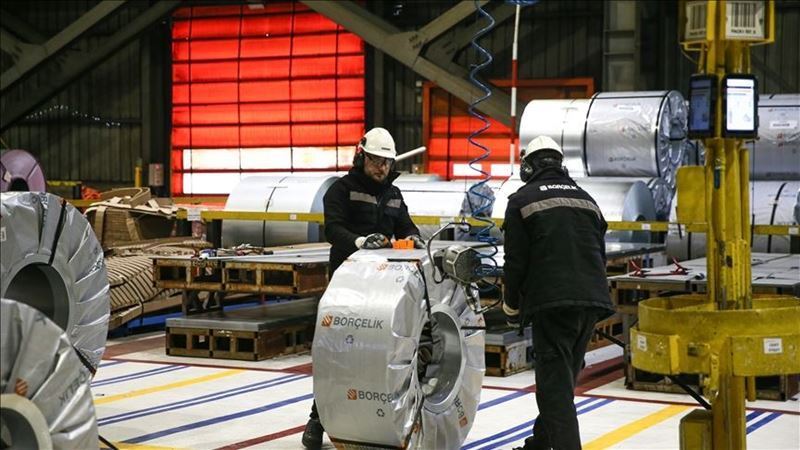
According to data from the Mediterranean Iron and Non-Ferrous Metals Exporters’ Association, exports of iron and non-ferrous metals by the association increased by 5.1% year-on-year to $62 million in February, while steel exports increased by 1.2% to USD 167 million.
Mediterranean exporters achieved triple-digit growth in target markets
In February, Germany ranked first in Türkiye’s overall iron and steel exports, followed by Italy, Romania, the United Kingdom, and the United States. Among the top 10 markets, the highest increases were recorded in exports to the United Kingdom (35%), the United States (32%), and Romania (27%).
In ADMIB’s February exports, Romania ranked first, followed by Morocco, Italy, Germany, and Ukraine. The most notable increases in the association’s exports were seen in shipments to the United States (329%), Romania (156%), the United Kingdom (143%), Ukraine (125%), and Morocco (109%).
US market shows strong growth
The United States stood out as one of the fastest-growing markets for the sector, with a 32% increase. In particular, ADMIB’s exports to the US surged by 329%.
Geopolitical risks are increasing caution in trade
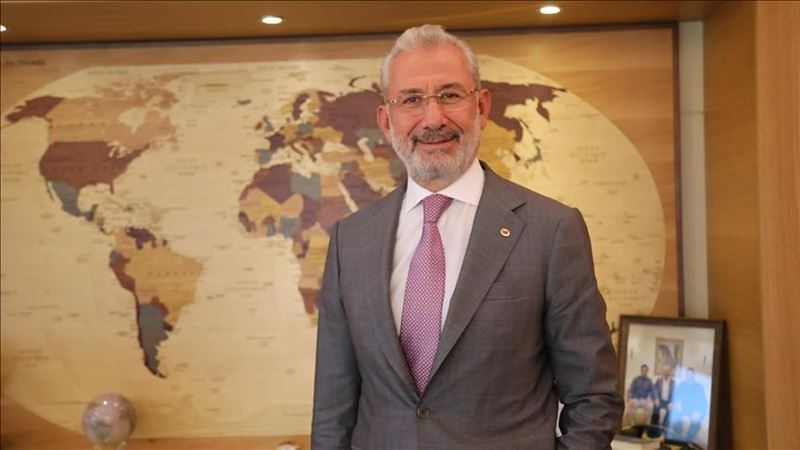
ADMIB Chairman Fuat Tosyalı stated that geopolitical developments are having an increasing impact on global trade, noting that tensions in the Middle East are creating uncertainty. He emphasized that the conflict in the region is putting pressure on many areas, from freight costs to delivery times, leading to a more cautious approach, especially in trade with the Middle East and Gulf region.
Tosyalı said: “The war in the region is putting pressure on everything from freight costs to delivery times. This situation is bringing about a more cautious process, particularly in trade with the Middle East and the Gulf. Our hope is for tensions in our region to ease and for peace and stability to be restored.”
Sector focuses on new markets and value-added products
Highlighting that the Turkish iron, steel, and metals sector has the capacity to manage this process thanks to its strong production infrastructure and market diversification, Tosyalı noted that the increases in North Africa, Europe, and the US markets demonstrate the sector’s flexibility.
Tosyalı added: “As a sector, we have the capacity to manage this process with our strong production infrastructure and diversified markets. In the upcoming period, we aim to expand into new markets and increase the share of value-added products.”



Comments
No comment yet.