


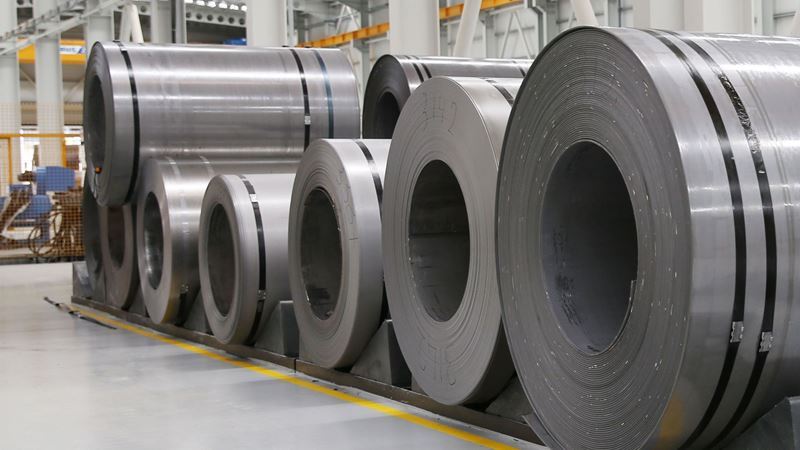
Under the regulation that came into effect as of February 14, 2026, it is mandated that hot-rolled steel exports can only be conducted for products procured through the export ring of the Iran Mercantile Exchange (IME).
The regulation titled “Executive Directive on the Export of Hot-Rolled Steel Coils (Dated 1404/11/25)” focuses directly on the export of hot-rolled steel. The legal basis of the directive is formed by the letter numbered 6967649, dated January 7, 2026, from the Ministry of Industry, Mine, and Trade. The regulation began to be strictly implemented as of February 14, 2026 (1404/12/01).
According to the new system, all parties, including not only manufacturing firms but also intermediary companies performing the export process, will be required to possess a “Purchase Certificate” obtained from the IME Export Ring for export operations. The document specifically covers hot-rolled flat steel products starting with the 7208 customs tariff code (such as 72081000, 72083500, etc.).
The second regulation, titled “Customs Implementation and Control Mechanism (Dated 1404/11/20)” and dated February 9, 2026, defines in detail how the new system will be applied at customs. With this document, the scope of the application has been expanded to include other base commodities such as cement, grey clinker, sulfuric acid, and copper cathodes, rather than being limited only to steel.
Under the new regulation, exporting firms will be obliged to enter the 13-digit contract number provided by the exchange into the system while filling out the customs declaration via the electronic EPL system. During the export process, the system will automatically match three key sets of data. It will be mandatory for the exporter’s national ID or tax number to be consistent with the exchange records, for the declared HS (Harmonized System) code to be identical to the code on the exchange certificate, and for the net quantity to be exported not to exceed the quantity purchased from the exchange. The system will automatically deduct the relevant amount after each export transaction.
A significant change has also been made regarding pricing. Accordingly, the independent price-setting authority of customs officers for the products in question has been restricted. The unit price stated in the exchange certificate issued by the IME will be accepted as the sole valid reference for customs valuation.
Furthermore, the regulation makes the paperless customs application mandatory. While the acceptance of physical exchange documents has been completely abolished, it is envisioned that all verification processes will be carried out through the digital system. With this step, the Iranian administration aims to increase central control over the export of base commodities and to ensure price and quantity tracking directly through the exchange system.






Comments
No comment yet.