


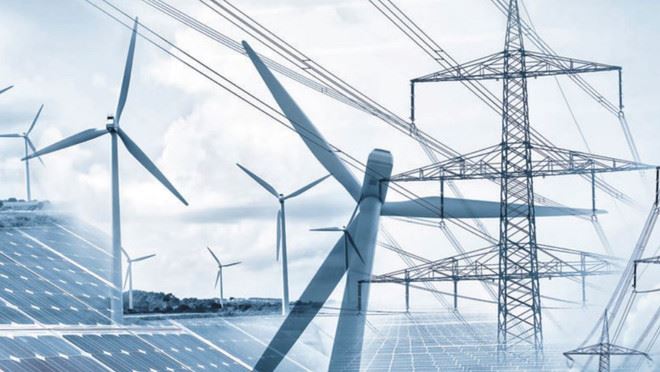
According to the analysis in Gasoutlook, the source of the rise in energy prices in Europe and Asia is both postponed strong demand, extreme cold and the steps to switch from coal to gas. China is leading the way in this transformation, and as of July, its policies in this context increased global demand for LNG by 2.2 million tons, according to WoodMackenzie data.
Annual gas price in Europe has exceeded 450% annually
The deepening of Europe's energy crisis caused gas futures in Europe and the UK to post double-digit gains on Wednesday. Prices have tripled since the beginning of the year. The European natural gas indicator Netherlands 1-month natural gas prices increased by about 10 percent to a record level of 72,195 Euros on Wednesday, while the annual increase exceeded 450 percent. The equivalent indicator in the UK also broke a record of 181.42 with an increase of 10 percent. The rise in natural gas also raises electricity prices. In Germany, electricity prices for next year increased by 4.2 percent to 103.92 euros per megawatt hour.
Goldman: Price could rise enough to destroy industry demand
US investment bank Goldman Sachs also believes rising energy prices are increasing the risks of power outages in Europe this winter. The bank warns that if there is an above-average cold winter this winter, Europe may have to compete with Asia for imports of liquid natural gas (LNG). According to a report in Bloomberg, competition in LNG shipments has already started to heat up. Goldman Sachs analyst Samantha Dart says such competition "could cause gas and energy prices to rise to the point of destroying demand, resulting in power outages in the industrial sector."
Pascal Leroy, Senior Vice President of French food processing company Roquette Freres SA, states that high energy prices are creating inflationary pressures all over the place and this will have to be passed on to customers eventually. Tereos, the country's largest sugar producer, states that rising natural gas prices have increased production costs "incredibly".
Could 'coal stain' to EU's green transition
In Russia, which is the main supplier of both natural gas and coal to Europe, energy experts suggest that EU companies are considering switching to coal in electricity production after the record increase in gas prices. It is stated that the green transformation of Europe, where the cost of a thousand cubic meters of natural gas reaches $ 960, may continue to be a "coal stain" due to energy costs. The fact that the exports of Russian coal miners' products to the EU has increased by a third in the last year is a sign of this. Due to the scarcity of energy resources, the cost of coal has also tripled, rising from $70 to $210 per ton.
Global solar panel prices also increased by 16 percent compared to 2020 levels, according to the Rystad Energy report released on Friday. The source of the increase here is supply bottlenecks and rising raw material costs. The U.S. Department of Energy expects the share of solar in electricity generation to increase from the current 3 percent to 45 percent by 2050, but says aggressive cost reductions are required for this.






Comments
No comment yet.