


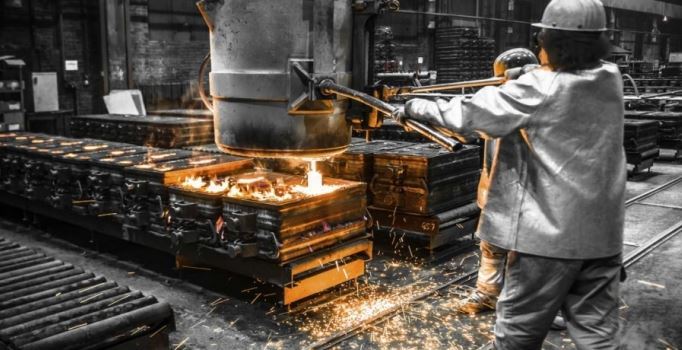
European steel prices have recovered slightly in recent weeks after falling further in October. Rising energy costs strengthened the determination of producers to stop the downward trend.
The announcement of the new quota-based steel trade agreement between the EU and the US, although lacking in details, boosted the confidence of the producers. However, purchasing activity remains weak.
Some manufacturers have switched to night and weekend operation to reduce energy cost increases. Others have highlighted maintenance programs in response to falling order intake. Despite this reduction in production, delivery times are getting shorter for all steel products.
Stock levels are high in the distribution chain. Famines earlier in the year resulted in additional orders being placed to ensure supplies. These are now being delivered.
The ports' storage facilities are filled with imported steel and operators refuse to accept new cargoes until old material is collected. This puts pressure on distributors and service centers to lower their selling prices to free up space in their warehouses. But with the end of the year fast approaching, companies are faced with the dilemma of reducing their stock levels without hurting their annual financial results.
Prices are falling in other regions. In the US, declining automotive demand and a seasonal increase in imports saw transaction values drop as much as ten percent from their previous highs. Chinese domestic prices fell as much as 20 percent as construction demand slowed and market sentiment worsened. This has not yet translated into increased export shipments from the Asian country.
Automotive deceleration
Automotive activity in Europe remains at a low level. This increases the pressure on flat rolled steelmakers. Factories are keen to develop partnerships in other industries to compensate for the move away from the auto segment. We'll see if they can sustain these relationships once the auto industry recovers.
Prices for longs have further rebounded from the ground they initially lost last month. The traditional electric arc furnace supply route was heavily impacted by rising electricity costs. Possible energy surcharges helped stop the price decline. However, very few manufacturers have successfully implemented such surcharges, but opted to increase the core values.
The slowdown in the automotive industry also affects wire rod demand. Declining sales of components and increased inventory levels resulted in reduced purchasing activity.
COP26
At the United Nations COP26, representatives from many countries committed to phasing out coal use. This decision will have a significant impact on steel production as coal is used as a raw material in primary steelmaking and as an electrical source for secondary smelting.
Within the EU, private and semi-private initiatives are already underway to find a solution. Government support packages may be needed to enable faster divergence from fossil fuels. Measures such as carbon border taxes will only work if Europe stays ahead of technological advances in competing regions where state aid may be closer.
The shift to cleaner production methods is also driven by customer demand. Some firms are already adding “green steel” clauses to their purchase agreements. The availability of true green steel is extremely limited. Some suppliers offer carbon offset certificates or “net zero steel” instead. All attract a premium that supports the further investment required.




Comments
No comment yet.